
By clicking Get My Free Quote, I give Ohlmeyer Insurance (David Ohlmeyer Jr. Agency) and its licensed agents my prior express written consent, by electronic signature, to contact me with calls and text messages — including marketing calls and texts made using automated technology or an artificial or prerecorded voice — and by email, at the number and email I provided, about my insurance quote and related insurance products and services, even if my number is on a Do Not Call list. My information is never sold or shared with other agencies for their own marketing. Consent is not a condition of purchase; I can call (985) 876-0116 instead. Message frequency varies. Message and data rates may apply. Reply STOP to opt out, HELP for help. I agree to the Privacy Policy and Terms of Use, including the arbitration clause and E-SIGN consent.
Your teenager just passed driver’s ed and wants to take the wheel to school next week. Or the road test is on the calendar, and you’re wondering what happens to your car insurance the day the intermediate license comes in the mail.
It’s a big step for the whole household, and it usually raises two worries at once: what it will cost, and whether the family is protected if something goes wrong. Both are fair questions. The good news is that most of the decisions are within your control, and the best time to make them is before your teen drives alone.
This guide walks through Louisiana’s graduated license stages, when a permit holder or a newly licensed teen belongs on your policy, why parents should look hard at their liability limits, how the car you pick changes the price, the discounts worth asking about and what Louisiana’s phone law now says. Here, “best” means the coverage that fits a family with a new driver, not a ranking of companies. For the statewide basics, start with our Louisiana car insurance guide.
How does Louisiana’s graduated driver’s license work for teens?
The short answer: Louisiana teens move through three stages: a learner’s permit at 15 after driver education, an intermediate license at 16 with night and passenger limits, and full privileges at 17 after a clean intermediate stage.
The rules come from La. R.S. 32:407, and the Louisiana Office of Motor Vehicles summarizes them in its Graduated Licensing Program sheet (both checked November 2026). In plain English, a 15- or 16-year-old applying for a first Louisiana license starts with a learner’s permit, and a parent or guardian signs the application.
| Stage | Who and when | Main conditions |
|---|---|---|
| Learner’s permit | At least 15, after an approved 38-hour driver education course (30 hours of classroom, 8 behind the wheel). | Supervised onlyA licensed parent, guardian or adult 21 or older, or a licensed sibling 18 or older, must ride along. Held at least 180 days. |
| Intermediate license | At least 16, after 180 days on the permit and a road skills test. | RestrictedA parent signs off on 50 hours of supervised practice, 15 of them at night. Night and passenger limits apply (below). |
| Full Class E license | At least 17, holding a valid intermediate license. | UnrestrictedNo at-fault crashes and no moving, seat belt, curfew, alcohol or drug convictions during the intermediate stage. |
The intermediate limits are the ones families feel. Under R.S. 32:407, an intermediate driver under 17 can’t drive between 11 p.m. and 5 a.m. unless a licensed parent or guardian, a licensed adult 21 or older or a licensed sibling 18 or older is in the car. Between 6 p.m. and 5 a.m., the intermediate driver can’t carry more than one passenger under 21 who isn’t an immediate family member, unless a licensed parent, guardian or adult 21 or older rides along.
Those limits line up with the research. The CDC’s teen driver risk page (updated August 2025) says drivers 16 to 19 have a fatal crash rate almost three times that of drivers 20 and older per mile driven, that crash risk is particularly high in the first months of licensure, and that risk rises with each additional teen or young adult passenger.
Does a teen with a learner’s permit need to be on your car insurance?
The short answer: It depends on the insurer and the policy language, so tell us the day the permit is issued, and plan ahead for the bigger change when the intermediate license lets your teen drive alone.
A learner’s permit means your teen is driving your cars, with you in the passenger seat. Louisiana law requires liability coverage on every registered vehicle, and LDI’s Auto Insurance Guide (rev. March 2026) explains that liability covers damage caused by you, your family members and others driving your vehicle with your permission.
What a policy requires at the permit stage depends on the company and the policy language, so it isn’t something we’d guess at. That’s why we’d rather hear about the permit early than find out after a fender bender in the school parking lot.
- Call or text us when the permit is issued. We’ll check how your policy treats a household permit holder and note it on the file.
- Keep your teen in your own cars. A permit holder practicing in a friend’s or relative’s car raises questions about whose policy responds first. Ask before it happens.
- Use the permit months to plan. You have at least 180 days before the intermediate license. That’s time to choose the car and the limits, and to ask which discounts may fit (subject to terms, conditions and availability), instead of deciding at the OMV counter.
When does a licensed teen go on the policy, and should they get their own?
The short answer: Add your teen as soon as the intermediate license is issued, and for a teen under 18 living at home, the household policy is usually the right home, because every driver and car stays on one set of limits.
Once your teen holds an intermediate license, they can drive without you, and they live in your household. A quote asks who drives in your household, and LDI’s own quote worksheet has a section for the drivers to be insured on the policy. A driver who isn’t listed can cause problems at claim time, and that’s the last moment you want a surprise.
Expect the premium to rise. LDI’s guide says that, generally, single males under 30 and females under 25 have much higher insurance costs than other drivers. Age is one of the rating factors Louisiana insurers can use, alongside where you live, the vehicle, the driving record and the coverage you pick. We’ll show you what each choice costs rather than guess at a number before we know your household.
Family policy or a separate one? For a teen under 18 who lives at home and drives the family cars, keeping them on the household policy is usually simpler and keeps the same liability and uninsured motorist limits behind every driver. A separate policy for a minor doesn’t change the parents’ exposure under Louisiana law, which we cover in the next section. Young adults who move out, buy their own car or turn 18 face a different set of choices, so ask us when that time comes.
What about excluding a teen? La. R.S. 32:900 lets an insurer and the insured agree in writing to exclude a named household member from coverage, and the excluded person doesn’t have to sign. LDI’s guide notes that an excluded person isn’t covered under that policy. That can make sense for a teen who truly won’t drive your cars. For a licensed teen who has the keys, an exclusion can leave the family with no coverage at all after a wreck.
How much liability coverage do parents of a teen driver need?
The short answer: More than the 15/30/25 minimum in nearly every family with a home or savings, because Louisiana law makes parents responsible for damage their minor child causes, and limits like 100/300/100 plus an umbrella protect what you’ve built.
Louisiana’s floor is 15/30/25 under R.S. 32:900: $15,000 for injuries to one person, $30,000 for injuries to two or more people in one wreck and $25,000 for property damage. It pays other people, and only up to those amounts.
Here’s why that matters more with a teen. Louisiana Civil Code article 2318 says the father and the mother are responsible for the damage occasioned by their minor child who resides with them, with narrow exceptions such as emancipation. In plain English, if your 16-year-old causes a serious wreck, a claim above your policy limits can reach the parents, not just the teen.
- With 15/30/25 limits, the policy pays up to $15,000 for each injured person (the $30,000 per-wreck cap) and $25,000 for the car. That’s $55,000, which leaves $38,000 unpaid.
- With 100/300/100 limits, those amounts fall within the policy, subject to its terms.
Two more Louisiana rules sit in the background. Under Act 15 of 2025, effective January 1, 2026, a driver found 51% or more at fault can’t recover damages, and a driver below that has recovery reduced by their share. And there’s no PIP requirement here, so medical payments coverage is optional.
If you own a home, have savings or plan to, an umbrella policy adds liability protection above your auto and home limits. A household with a new teen driver is exactly where pricing one makes sense.
What coverage fits a family with a new teen driver?
The short answer: Raise liability, keep uninsured motorist coverage at your liability limits, carry comprehensive for storm season, and choose collision and deductibles based on the car’s value and the cash you could spend after a fender bender.
“Best” car insurance for a teen isn’t a company. It’s a set of choices that holds up the week after something goes wrong. Here’s how we think about each one.
Higher limits
Protects the household from claims your teen causes. We usually price 100/300/100 or higher next to the minimum.
Matched to liability
Pays your teen’s injuries when the at-fault driver has no insurance or too little. Keep it on purpose.
Based on the car
Repairs your own car after a wreck. Worth it on a newer or financed car; a closer call on an older one.
Storm coverage
Flood, falling trees, theft and hail. In South Louisiana, it’s the coverage that pays for a flooded car.
Optional
Medical bills for you and your passengers regardless of fault, useful when your teen drives friends or siblings.
An amount you can pay
A higher deductible lowers the premium, but it has to be money you could spend the same week.
Uninsured motorist coverage deserves a second look. Under La. R.S. 22:1295, your policy includes UM bodily injury coverage at your liability limits unless the named insured rejects it, picks lower limits or picks economic-only coverage on the state form. That form stays with the policy through renewals with the same insurer. If you signed it away years ago to save money, it may still be in force today, and now it applies to your teen too.
The statute treats a change in liability limits differently from other policy changes, so raising liability for a new driver is the natural time to look at the UM form again and choose your UM limits on purpose. Ask us what your current form says before your teen’s first solo drive.
By clicking Get My Free Quote, I give Ohlmeyer Insurance (David Ohlmeyer Jr. Agency) and its licensed agents my prior express written consent, by electronic signature, to contact me with calls and text messages — including marketing calls and texts made using automated technology or an artificial or prerecorded voice — and by email, at the number and email I provided, about my insurance quote and related insurance products and services, even if my number is on a Do Not Call list. My information is never sold or shared with other agencies for their own marketing. Consent is not a condition of purchase; I can call (985) 876-0116 instead. Message frequency varies. Message and data rates may apply. Reply STOP to opt out, HELP for help. I agree to the Privacy Policy and Terms of Use, including the arbitration clause and E-SIGN consent.
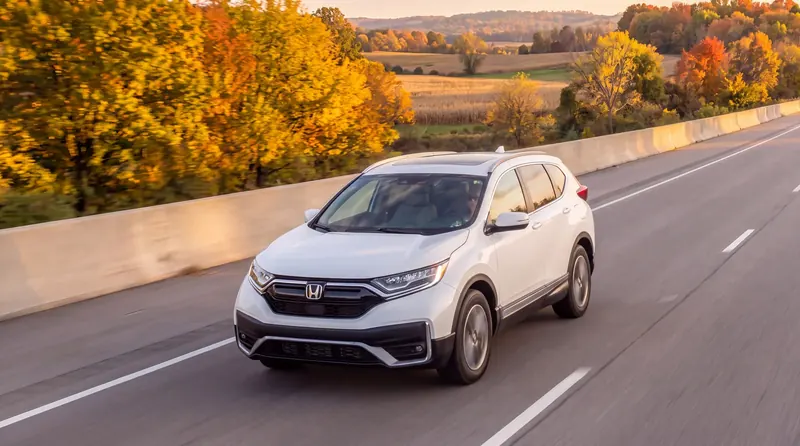
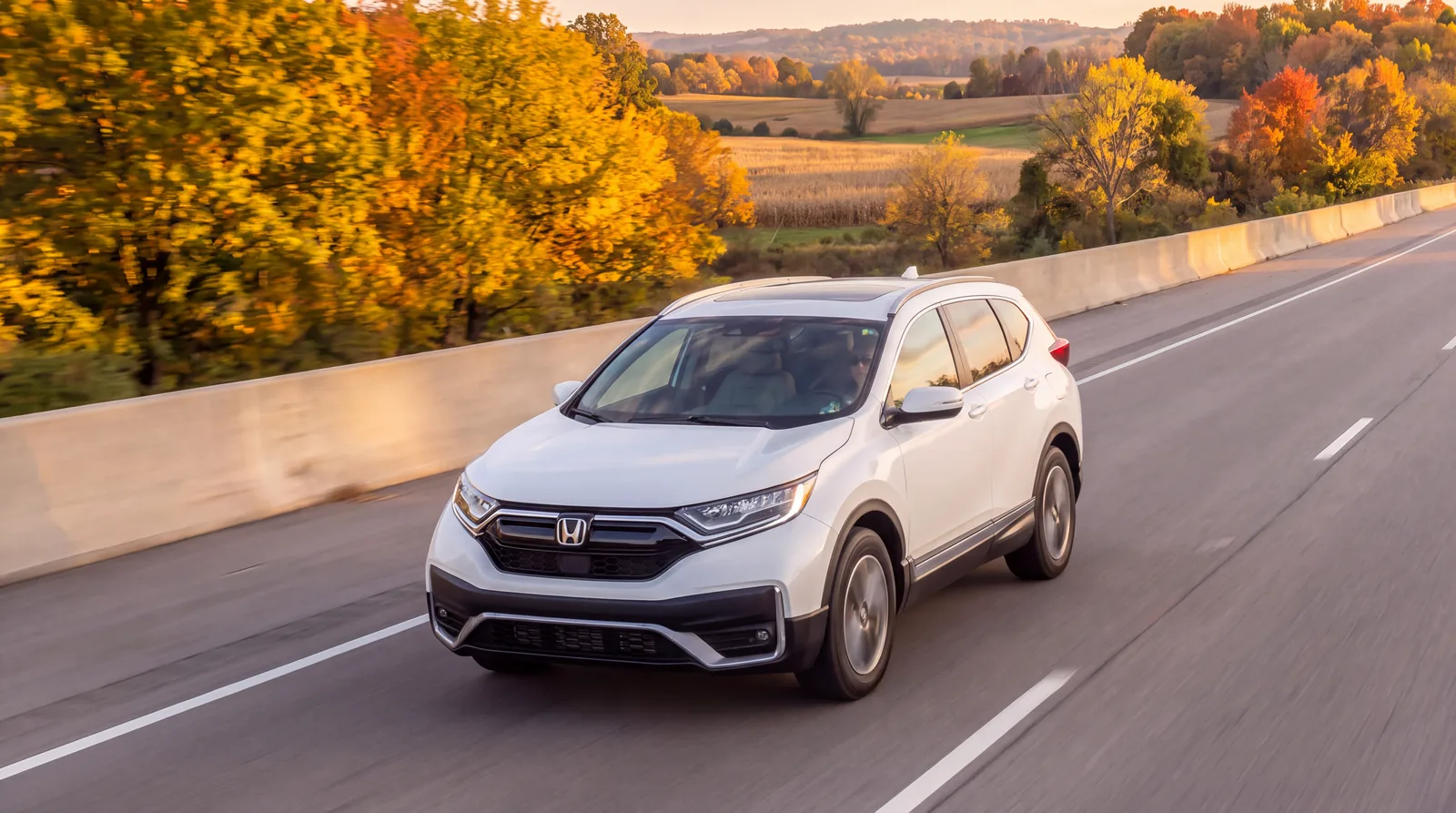
What kind of car is best for a teen driver, for safety and for the premium?
The short answer: A vehicle that isn’t a minicar or a large SUV or pickup, with standard electronic stability control, good crash-test ratings and modest horsepower is usually the safer choice, and it tends to cost less to insure than a sports or high-performance car.
The car is one of the few rating factors you choose outright. LDI’s guide notes that luxury, sports and high-performance vehicles carry the highest collision and comprehensive rates. The safety research points the same way. The Insurance Institute for Highway Safety’s teen vehicle guidance (May 2025) leaves out minicars and anything under 2,750 pounds, leaves out large SUVs and large pickups as harder to handle and slower to stop, leaves out vehicles with excessive horsepower for their weight, and looks for standard electronic stability control and good crash-test ratings.
- Send us the VIN before you buy
Two similar-looking cars can price differently. A quick quote on the exact vehicle avoids a surprise after the paperwork is signed.
- Skip the horsepower
A fast car invites the risks the license stages are designed to limit, and it usually costs more to cover.
- Look for the safety features
Stability control, airbags, anti-lock brakes and anti-theft devices matter for safety, and LDI lists safety features among the discounts some insurers offer, subject to terms, conditions and availability.
- Match collision to the car’s value
On an older, paid-off car, dropping collision lowers the price, but then repairs after a wreck your teen causes come out of your pocket. Decide that on purpose.
- Keep comprehensive in storm season
A flood or a falling tree doesn’t care who drives the car. LDI’s after-flood tips say comprehensive is the coverage that pays for flood damage to a vehicle, subject to your comprehensive deductible.
Which car your teen is listed on matters too, so tell us which car your teen will actually drive most. Listing the right driver on the right car keeps the policy accurate and avoids questions at claim time.
Which discounts and safe-driving programs can help with a teen’s premium?
The short answer: Ask about good student, driver education, multi-car, bundling and safe-driving (telematics) programs, which can help offset a teen’s rating, though each one is subject to terms, conditions and availability.
LDI’s guide lists the discounts Louisiana families most often ask about. It says most Louisiana insurance companies give discounts to full-time students with a B average or higher, and that teenagers who have taken driver education may get a similar discount. It also lists multi-car policies, bundling auto with a home or life policy, vehicle safety features and low annual mileage. Discounts vary and are subject to terms, conditions and availability.
Telematics, in plain English. LDI describes these as usage- and behavior-based, or “pay how you drive,” programs that track driving habits such as speed, distance, braking and phone use. For a family with a new driver, a safe-driving program can do two jobs: it may help the premium, and it gives you and your teen an honest look at how the driving is going. Ask how the data is used and whether it can affect the price in both directions before you enroll.
The biggest long-term help with the price isn’t on any discount list: a clean record. Under R.S. 32:407, your teen needs a clean intermediate stage to earn full privileges, and the same habits keep tickets and at-fault wrecks off the driving record that insurers look at when they set a rate. For more legitimate ways to pay less without opening a gap, see our guide to cheap car insurance in Louisiana.
What does Louisiana’s cell phone law mean for a new teen driver?
The short answer: Since August 2025, Louisiana bars every driver from holding or using a phone while the car is moving, with written warnings only until January 2026 and fines since, plus higher fines in school and highway construction zones.
Act 288 of 2025 (HB 519), effective August 1, 2025, repealed the older phone sections, R.S. 32:300.5 through 300.8, and replaced them with one rule for all drivers in La. R.S. 32:59. In plain English, no one may operate a wireless device while driving unless the car is lawfully stationary. That includes texting, social media, photos and video, apps, and simply holding the phone in either hand.
- Hands-free calling and navigation are allowed. The law permits a hands-free phone and viewing hands-free navigation, and it has exceptions for reporting a crash, an emergency or a crime in progress.
- Fines started in 2026. For violations before January 1, 2026, officers could only issue a written warning. The fine is now $100, or $250 in a school zone or highway construction zone, and it doubles if a crash happens during the violation.
- School and construction zones are primary offenses. An officer can stop a driver for phone use there alone. Elsewhere, it’s a secondary offense, cited only when the driver is stopped for something else.
The insurance side is simpler than the law. A crash while looking at a phone is still an at-fault crash, and that’s what follows a driver’s record. Set the phone up for hands-free navigation before your teen pulls out of the driveway, and make that a house rule from the permit stage on.
The bottom line
Louisiana gives new drivers a long runway: a learner’s permit at 15, an intermediate license at 16 with night and passenger limits, and full privileges at 17 after a clean year. Use that runway to set up the policy. Tell us when the permit is issued, add your teen when the intermediate license arrives, raise liability above 15/30/25 because parents carry the risk, keep UM on purpose, and pick a car that’s safe and sensible to insure.
We can’t promise a price before we know your household, but we can show what each choice costs. Call or text our Houma and Raceland line at (985) 876-0116 or our Lafayette office at (337) 232-1800, Mon–Fri 8:00 AM – 5:00 PM Central, with weekends by appointment. You can also start on our auto insurance page or get a free quote.
By clicking Get My Free Quote, I give Ohlmeyer Insurance (David Ohlmeyer Jr. Agency) and its licensed agents my prior express written consent, by electronic signature, to contact me with calls and text messages — including marketing calls and texts made using automated technology or an artificial or prerecorded voice — and by email, at the number and email I provided, about my insurance quote and related insurance products and services, even if my number is on a Do Not Call list. My information is never sold or shared with other agencies for their own marketing. Consent is not a condition of purchase; I can call (985) 876-0116 instead. Message frequency varies. Message and data rates may apply. Reply STOP to opt out, HELP for help. I agree to the Privacy Policy and Terms of Use, including the arbitration clause and E-SIGN consent.
Teen drivers and car insurance in Louisiana: FAQ
How old do you have to be to get a learner’s permit in Louisiana?
Fifteen. Under La. R.S. 32:407 and the OMV’s Graduated Licensing Program, a first-time applicant who is at least 15 can get a Class E learner’s permit after completing an approved driver education course, which OMV lists as 30 hours of classroom and 8 hours behind the wheel, and passing the vision and knowledge tests. A parent or guardian signs the application. The permit must be held at least 180 days, and a permit holder can drive only with a licensed parent, guardian or adult 21 or older, or a licensed sibling 18 or older, in the car.
Do I have to add my 15-year-old with a learner’s permit to my car insurance?
It depends on your insurer and your policy language, so the safest step is to tell your agent the day the permit is issued. Liability coverage on a Louisiana auto policy generally applies to family members and others driving your car with your permission, but what a company requires for a household permit holder isn’t uniform. Once your teen gets an intermediate license and can drive alone, plan on listing them as a driver. Call or text our Houma line at (985) 876-0116 and we’ll check how your policy handles it.
Can I exclude my teenager from my car insurance in Louisiana?
Louisiana allows it. La. R.S. 32:900 lets the insurer and the named insured agree in writing to exclude a named resident of the household, and the excluded person doesn’t have to sign. But an excluded driver isn’t covered under that policy, so if your licensed teen drives one of your cars anyway, there may be no coverage for that wreck at all, and under Civil Code article 2318 the parents can still be responsible for the damage. An exclusion fits only a teen who truly won’t drive your vehicles. Talk it through with us before you sign one.
Are parents responsible if their teen causes a car accident in Louisiana?
They can be. Louisiana Civil Code article 2318 says the father and the mother are responsible for the damage occasioned by their minor child who resides with them, with exceptions such as emancipation. That’s why liability limits matter so much in a household with a teen driver. The 15/30/25 minimum pays only up to $15,000 per injured person, $30,000 per wreck for injuries and $25,000 for property damage. A claim above those limits can reach the family’s savings and home, which is why we usually price 100/300/100 or higher, and an umbrella, for parents.
Can a teen with an intermediate license drive at night in Louisiana?
Not late at night without an adult, if they’re under 17. La. R.S. 32:407 bars an intermediate licensee under 17 from driving between 11 p.m. and 5 a.m. unless accompanied by a licensed parent or guardian, a licensed adult 21 or older, or a licensed sibling 18 or older. Separately, between 6 p.m. and 5 a.m. an intermediate driver can’t carry more than one passenger under 21 who isn’t an immediate family member unless a licensed parent, guardian or adult 21 or older is in the car. Curfew convictions can delay the full license.
Can a Louisiana teen driver use a phone for GPS?
Yes, hands-free. La. R.S. 32:59, enacted by Act 288 of 2025, bars every driver from operating a wireless device while the car is moving, including holding it in either hand, texting, social media and apps. It allows a hands-free phone and viewing hands-free navigation, and it has exceptions for reporting a crash, an emergency or a crime in progress. Since January 1, 2026, the fine is $100, or $250 in a school or highway construction zone, doubled if a crash happens during the violation. Mount the phone and set the route before the car moves.
How does the good student discount work for Louisiana teens?
LDI’s Auto Insurance Guide says most Louisiana insurance companies give discounts to full-time students with a B average or higher, and that teenagers who have taken driver education may get a similar discount. The details, such as what counts as proof and how often you need to send it, depend on the insurer and the policy. Have a recent report card and the driver education certificate ready when you add your teen. Discounts vary and are subject to terms, conditions and availability, so we check which ones apply to your household when we quote.
Is it cheaper to insure a teen on an older car?
Often the coverage choices change more than the car itself. An older, paid-off car may not need collision coverage, which lowers the premium, but then repairs after a wreck your teen causes come out of your pocket. Liability, which protects your family from claims, matters just as much on any car. LDI notes that sports and high-performance vehicles carry the highest collision and comprehensive rates, and IIHS guidance favors vehicles with standard stability control, good crash ratings and modest horsepower. Send us the VIN before you buy, and we’ll quote that exact car.
Last reviewed by David Ohlmeyer Jr. on .