Home / Renters Insurance

Louisiana Renters Insurance: You don't own the building. You own everything in it.

Your landlord's policy covers their walls. Yours covers your things, your liability and a place to stay if a storm makes your apartment unlivable. Whether you rent near UL Lafayette, near Nicholls State in Thibodaux or anywhere in Houma, your local insurance agent can set it up right.

HO-4The Renters Policy Form
4Core Coverages
4.6Stars, 451 Verified Reviews
25+ YearsIn the Community
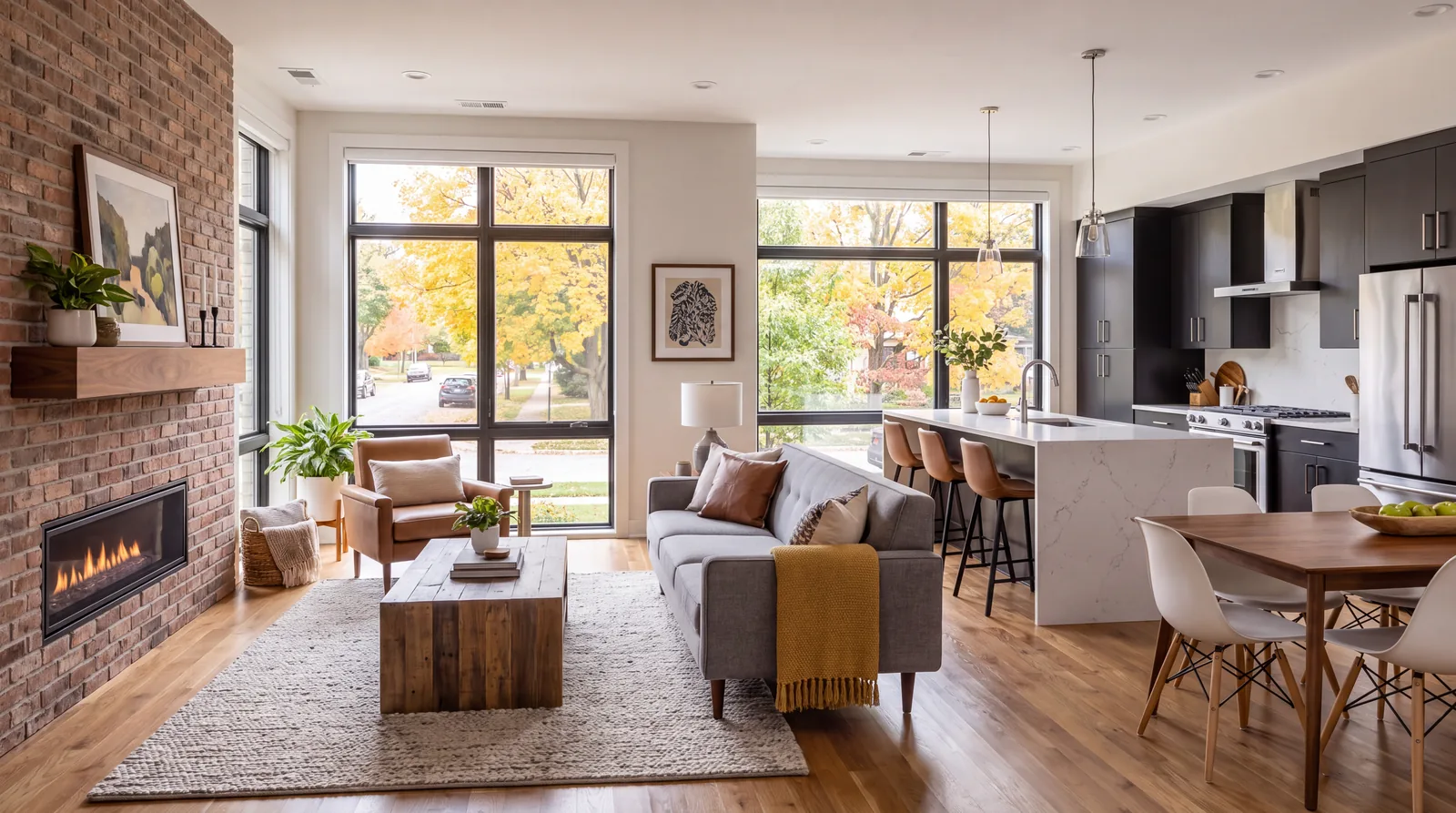
A bright, modern apartment living room
The Quick Answer

No Louisiana law makes you carry renters insurance, but your lease probably does, often with a minimum liability limit and the landlord listed as an interested party. A renters (HO-4) policy covers four things: your belongings (including things stolen from your car, which auto insurance doesn't cover), additional living expenses if a covered loss such as hurricane wind damage makes your unit unlivable, personal liability and medical payments for guests. Your landlord's policy covers the building only, never your belongings or your liability. Roommates need their own policies. Flood is excluded, but a separate NFIP contents policy is available for renters. Bundling renters with auto may lower what you pay (discounts are subject to terms, conditions and availability). Ohlmeyer Insurance is David Ohlmeyer Jr.'s local insurance agency, with offices in Houma, Raceland and Lafayette, serving renters in Terrebonne and Lafourche parishes and across Acadiana, including students at UL Lafayette and Nicholls State. Call (985) 876-0116.

Required by
Your lease, if anything
Landlord's policy
Covers the building, not your things
Flood
Separate NFIP contents policy
Call first
(985) 876-0116
Louisiana Renters Insurance, The Short Version

One of the most affordable policies in insurance. And plenty of renters skip it.

A lot of South Louisiana rents. UL Lafayette students in apartments around campus, Nicholls State students in Thibodaux, young professionals in Lafayette and Youngsville, families renting houses in Houma and Bayou Cane. Yet plenty of renters carry no policy at all. Usually it's because it feels like something for people with more stuff, or because the landlord surely has it covered. Neither holds up when a hurricane takes the roof off the building.

Here's the honest math. Walk through your place and add up what it would cost to replace everything at today's prices: the mattress, the couch, the desk, every screen, the kitchen, the closet, the bike. Most people are surprised by their own list. A renters policy protects all of it, and it's typically one of the most affordable policies you can buy.

Then there's the part people forget after a storm: additional living expenses. When Ida hit Houma in 2021, plenty of renters had units they couldn't live in for weeks. If covered damage like hurricane wind makes your apartment unlivable, a renters policy can help pay for a hotel, meals above your normal costs and other extra expenses while it's repaired, up to your policy limits.

And then there's liability: the day your bathtub overflows into the unit below, or your dog bites someone at the park. One more thing: bundling renters with your auto policy may lower what you pay. a multi-policy discount is subject to terms, conditions and availability, so we'll show you the real numbers instead of promising one.
Four coverages. And the things people assume are covered but aren't.

A renters policy, technically an HO-4, does four jobs. The exclusions are just as worth knowing as the coverages.

Core
Your belongings

Personal Property

Everything you own, and it travels with you: your belongings are covered in your unit, in your car, on campus and on vacation. Jewelry, watches and similar items usually have lower sub-limits, so anything valuable should be scheduled separately.

Core
After a storm

Additional Living Expenses

Pays the extra cost of living somewhere else when your unit is unlivable after a covered loss, like hurricane wind damage or a fire. After a big storm, hotels fill fast and rents jump, so this limit deserves a real look.

Core
Your liability

Personal Liability

The real reason your lease asks for this. It covers you when you injure someone or damage their property, like the overflowing tub into the unit below, plus legal defense. It follows you off the property too.

Core
Guest injuries

Guest Medical

Pays a guest's minor medical bills regardless of fault, no lawsuit needed. It's a small coverage that settles the kind of thing that could otherwise turn into a liability claim against you.

Know it
Hurricane

Named-Storm Deductible

Policies in coastal Louisiana can carry a separate deductible for named storms or hurricanes. Check your declarations page before June so a storm claim doesn't come with a surprise.

Not covered
The walls

The Building Itself

Roof, plumbing, structure and common areas belong to your landlord's policy. Their policy covers their property and does nothing for yours. This is the assumption that costs people the most.

Not covered
Roommates

Your Roommate's Stuff

A standard policy covers you and your resident relatives. A roommate on the same lease isn't covered by your policy. Everyone needs their own, which also means nobody's claim uses up someone else's limit.

Not covered
Slow leaks

Gradual Leaks, Mold & Pests

Renters insurance is built for sudden, accidental losses. A slow drip under the sink, the mold that grows from it in our humidity and pests are maintenance problems, not claims. Report leaks to your landlord in writing the day you notice them.

Not covered
Flood

Flood

Rising water and storm surge need separate coverage. Much of Terrebonne Parish is in FEMA high-risk flood zones, and Lafayette flooded heavily in August 2016. A separate NFIP contents policy is available for renters. Rain blown in through a storm-damaged roof or window is a different kind of claim, so ask us how your policy reads.

Not covered
Your car

The Vehicle Itself

The car is your auto policy's job, including a tree limb through the windshield, which falls under comprehensive. But what was inside the car when the window was broken is a renters claim. The two policies work together, which is why bundling them makes sense.

Need proof of insurance before you sign the lease?

We can add your landlord or property manager as an interested party and send proof of coverage straight to them.

Coverage Basics

Four things worth getting right on an affordable policy.

It's affordable enough that most people buy the first thing they're offered. These choices separate a policy that works from one that just exists.

1. Replacement cost, not actual cash value

This may be the most important line on a renters policy. Replacement cost pays what it takes to buy a new equivalent today. Actual cash value pays what your stuff is worth used, after depreciation. For example, an older laptop might be worth $300 used but cost $1,400 to replace.

Replacement cost usually costs a bit more, and it can make a big difference at claim time. If your current policy pays actual cash value, that's the first thing we'd look at.

2. Liability, sized to the damage you could cause

Many renters stick with whatever minimum the lease asks for, and that can be thinner than it sounds. One overflowing tub in a stacked apartment building can damage several units. A dog bite claim can get expensive fast.

Raising your liability limit often costs relatively little for the extra protection. If you have savings or a growing income to protect, ask us whether an umbrella policy makes sense on top of your renters and auto.

3. Additional living expenses and hurricane season

After a hurricane, the question isn't only what you lost. It's where you'll sleep. If covered damage like hurricane wind makes your unit unlivable, additional living expenses help pay the gap between your normal costs and what you're forced to spend: a hotel, meals, a temporary rental. After Ida and Francine, a lot of South Louisiana renters needed exactly that.

Before June, take a few minutes: photograph or video your belongings, save your policy number in your phone and check whether your policy carries a separate named-storm deductible. Then think about flood, which a renters policy never covers. A separate NFIP contents policy is available, and most new NFIP policies have a 30-day waiting period, so buy before a storm is in the Gulf.

4. Scheduling the things that matter

An engagement ring, a camera kit, a good bike, a musical instrument, a watch that means something. Standard policies cap categories like jewelry at a sub-limit no matter how much total coverage you carry, so a valuable ring may be only partly covered.

Scheduling an item lists it individually, and on many policies it broadens coverage. Bring us the appraisal or the receipt and we'll walk through the options.

Already have a policy? Let us read it with you.

Replacement cost or cash value, liability limit, additional living expenses, your hurricane deductible and sub-limits on the ring. A quick review, no charge and no pressure.

Six ways that may lower your price. On something already affordable.

The first one is the biggest: bundling with auto may lower what you pay on both policies. The rest are smaller, but they add up. Discounts vary and are subject to terms, conditions and availability.

1

Bundle with your auto policy

a multi-policy discount can offset part of the renters premium, and one local agent handles both, with one phone call when something happens. Start with an auto quote and we'll price them together.

2

Choose a deductible you can actually cover

A higher deductible can trim the premium. On a policy this affordable the savings are modest, so only do it if you could pay that amount tomorrow without stress. Don't raise it past your emergency fund to save a few dollars a month.

3

Call before you need it

An early signing discount may be available on some policies when you sign up ahead of time. If your lease starts next month, call now rather than the day you move in, and we'll check what applies.

4

Ask which other discounts apply

Discounts such as responsible payer may be available on some policies. Which ones apply depends on the policy and on you, so we'll check them when we set up your renters and auto together.

5

Think twice before filing a tiny claim

A loss that barely clears your deductible nets you very little and can stay on your record for years, following you to your next policy and eventually your homeowners policy. Call us first and we'll talk it through.

6

Don't under-insure to hit a price

Cutting your personal property limit to shave a few dollars isn't really saving. The point is that the policy is affordable enough to buy properly. We also won't talk you into limits you don't need.

However you rent. We'll help you cover it.

Apartment, house share, rental home, a student place near campus. The policy shifts to match.

An affordable way to protect everything you own.

One call, a few questions about your place and your stuff, and your local insurance agent will put it together. We can send proof of coverage to your landlord too.

Renters insurance across South Louisiana. From Houma to Lafayette.

From apartments near UL Lafayette to student rentals near Nicholls State in Thibodaux and rental homes in Houma, Bayou Cane and Morgan City, renters rates move with your building and your neighborhood. Tell us the ZIP and we'll price your actual address.

Louisiana renters insurance questions. Straight answers.

Is renters insurance required in Louisiana?

No state law requires it, but your lease very well might. Many apartment communities and property managers require a policy with a minimum liability limit and ask to be listed as an interested party.

Being listed as an interested party simply means the landlord is notified if your policy lapses. It doesn't give them coverage or let them file claims on your policy. If your lease requires renters insurance and you let it lapse, that can be a lease violation, so it's worth keeping current.

What does renters insurance actually cover?

Four things. Personal property, meaning your belongings, wherever they are. Additional living expenses, which help pay for somewhere to live if your unit becomes unlivable after a covered loss. Personal liability, which covers you if you injure someone or damage someone else's property, including legal defense. And medical payments for a guest's minor injuries.

Covered causes on most policies include fire and smoke, theft, vandalism, windstorm and most sudden water damage from inside the building. What it doesn't cover: the building itself, which is your landlord's job, and flood, which needs a separate policy.

Doesn't my landlord's insurance cover me?

No, and this is the most common misunderstanding in renting. Your landlord's policy covers the building: walls, roof, plumbing and common areas. It covers their property, not your life inside it.

If a kitchen fire in the unit above yours destroys everything you own, the landlord's insurance rebuilds the walls and replaces nothing of yours. Your furniture, laptop, clothes and the hotel you're now staying in are yours to pay for, unless you have your own policy.

Will renters insurance pay for a hotel if a hurricane makes my apartment unlivable?

Generally yes, when the damage is from a covered cause like wind. If hurricane wind tears off the roof or blows out windows and your unit can't be lived in, additional living expenses can help pay for a hotel, meals above your normal costs and similar extra expenses while it's repaired, up to your policy limits. Your damaged belongings are covered too, minus your deductible.

Two things to know: policies in coastal Louisiana can carry a separate named-storm deductible, and damage from rising water or storm surge is flood, which a renters policy excludes.

Does renters insurance cover flooding?

No. Rising water from outside is excluded, whether it comes from a bayou, storm surge or a street that fills in a downpour. Much of Terrebonne Parish is in FEMA high-risk flood zones, and Lafayette flooded heavily in August 2016.

A separate NFIP contents policy is available for renters, because you're insuring belongings rather than a building. NFIP contents coverage goes up to $100,000, and most new policies have a 30-day waiting period, so buy before hurricane season, not during it.

I'm a student at UL Lafayette or Nicholls State. Do I need my own policy?

Often, yes. Some parents' homeowners policies extend limited coverage to a student living away at school, but it varies by policy and may not include liability for your apartment. An off-campus lease will likely ask for a policy anyway.

A renters policy in your own name keeps your coverage clear. If you have a car at school, bundling it with your auto policy may lower what you pay, and a good student discount may apply to the auto side. Discounts are subject to terms, conditions and availability.

Does renters insurance cover my roommate?

Generally no. A standard policy covers the named insured and resident relatives. A roommate you aren't related to isn't covered by your policy, even if you share the lease and the rent.

Each roommate needs their own policy. Separate policies mean separate limits, separate deductibles and no argument about whose claim used up the coverage. If you own your unit rather than rent it, you need condo insurance instead.

Can I bundle renters insurance with my auto policy?

Yes. A multi-policy discount is available when you insure your car and your renters coverage together, subject to terms, conditions and availability. It can offset a good part of the renters premium, and you get one local agent for both.

Call (985) 876-0116 and we'll price them together and send proof of coverage to your landlord if you need it.

Still have questions? Call (985) 876-0116. We'll give you a straight answer.

Protect everything you own.
Local coverage, local service.

Tell us where you live and roughly what's in it. We'll put together your renters quote, look at bundling with your car and send proof of coverage to your landlord.