Home / Landlord Insurance

Louisiana Landlord Insurance: Protect the building, the liability and the rent.

One rental house in Houma, a duplex in Lafayette or a fishing camp you rent by the weekend, your property is income. A landlord package, set up by your local agent.

Landlords& Hosts Coverage
3Core Coverages
25+ YearsIn the Community
4.6Stars, 451 Verified Reviews
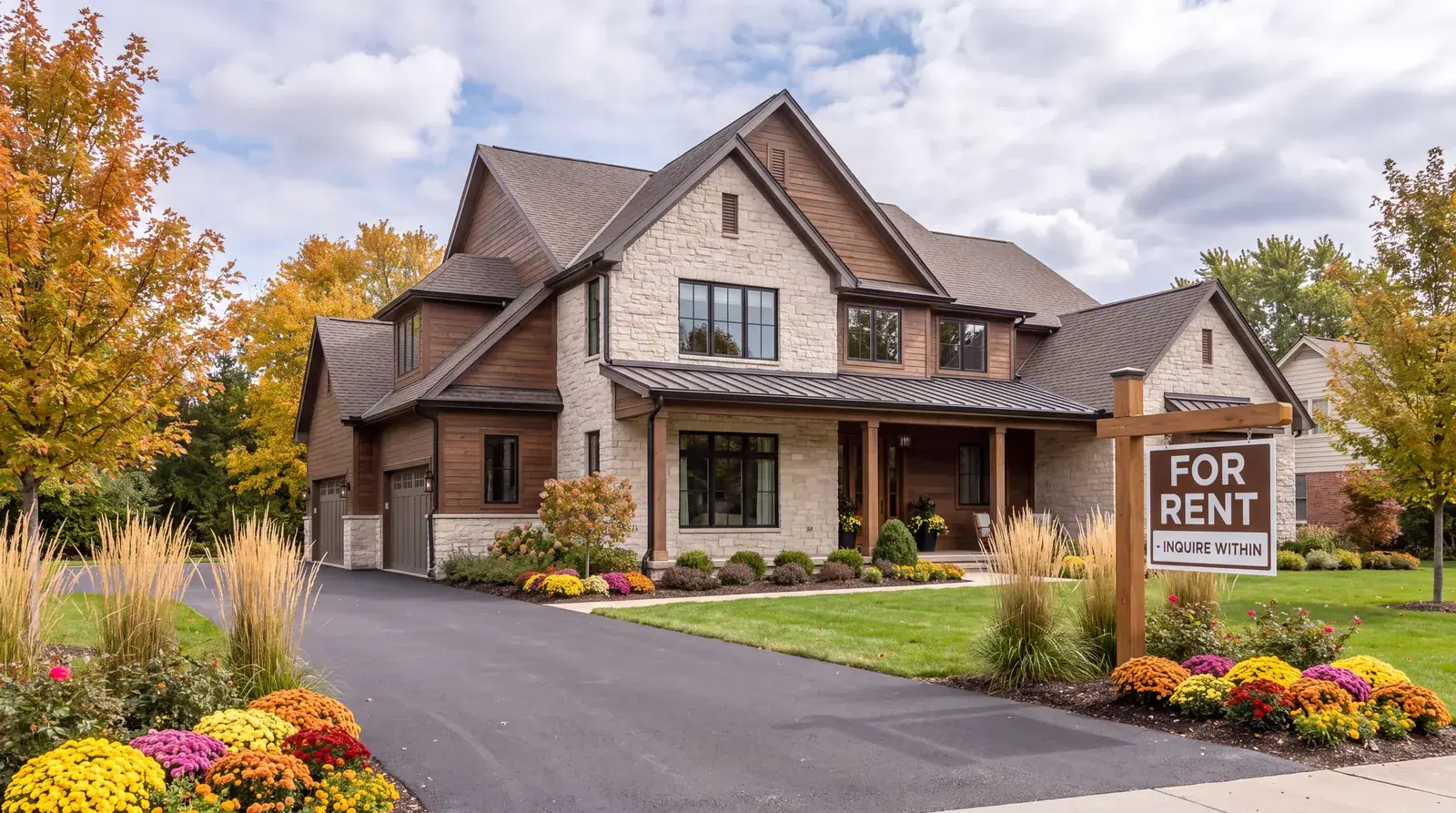
A rental home with a For Rent sign in the front yard
The Quick Answer

A rental in Louisiana needs a landlord policy, not homeowners insurance. Filing a homeowners claim on a tenant-occupied property can be investigated and denied. A landlord package insures the dwelling as a rental, adds landlord liability, and can replace lost rental income when a covered loss makes a unit uninhabitable. Coastal rentals commonly carry a separate named-storm or hurricane deductible, often a percentage of the dwelling limit. Flood is always separate and needs an NFIP policy. Short-term rentals, fishing camps and vacation rentals need coverage written for that use. Tenant belongings are never covered, so require renters insurance in the lease. If a property can't get coverage in the voluntary market, Louisiana Citizens is the state's insurer of last resort. Ohlmeyer Insurance is David Ohlmeyer Jr.'s local insurance agency, with offices in Houma, Raceland and Lafayette. Call (985) 876-0116.

Right policy
A landlord policy, not homeowners
Hurricane
Know your named-storm deductible
Never covered
Tenant belongings, unpaid rent, flood
Call first
(985) 876-0116
Louisiana Landlord Insurance, The Short Version

The most expensive mistake is the quietest one. Wrong policy, right property.

It usually happens like this. You bought a place, lived in it, and insured it as a home or a condo. Then you moved, kept it, and rented it out. The policy renewed every year, so nobody thought about it. Then a hurricane peels back the roof, you file a claim, and the adjuster asks who has been living there.

A homeowners policy is written for a home you live in. Once tenants move in, the insurer can investigate occupancy and deny the claim. If you are renting out a property that is still on a homeowners policy, call us. Everything else on this page is detail.

The right policy is a landlord policy. Ask for a landlord package. It insures the building as a rental, covers the liability that comes with people living in a property you own, and can replace the rental income when a covered loss puts a unit out of service. That last one matters most to investors. Your mortgage does not care that the roof is gone.

A single rental in Thibodaux, a duplex near UL Lafayette, a few houses around Houma and Bayou Cane, or a camp down the bayou you rent to fishermen on weekends each call for a different setup. As your local insurance agent, we help you set up each property correctly and review the coverage as you add doors.

What a landlord policy covers. And what lands back on you.

Three coverages do the real work: the building, the liability, and the rent. The exclusions are where landlords get surprised.

Core
Rebuild Cost

Dwelling

The structure, at what it costs to rebuild today rather than what the property would sell for. After a hurricane, when every contractor in the parish is booked, rebuilding costs more than you'd expect, so size this limit on purpose.

Core
Liability

Landlord Liability

The broken stair rail, the rotten board on the camp's dock, the dog the tenant was not supposed to have. Covers defense costs as well as the judgment. Pick a real limit and consider an umbrella on top.

Core
Rental Income

Loss of Rental Income

Replaces rental income while a covered loss makes the unit uninhabitable, up to the limit and time period on your policy. Size it to what the unit actually rents for and a realistic repair timeline. After Ida, many South Louisiana repairs took far longer than owners planned.

Know it
Hurricane

Named-Storm Deductible

Coastal policies commonly carry a separate deductible for named storms or hurricanes, often a percentage of the dwelling limit, such as 2% or 5%. On a rental, that's a business cost you want planned, not discovered. Read your declarations page.

Worth asking
Vacancy

Vacant Properties

Many dwelling policies limit coverage once a property sits empty past a set period spelled out in the policy. Turnover, rehabs and the off-season at a camp are normal. Tell us before a vacancy runs long and we will keep the coverage right.

Worth adding
Your Stuff

Landlord Property

The appliances, the washer and dryer, the furniture in a furnished unit or camp, the lawn equipment in the shed. It is your property, not the tenant's, and standard limits are thin. Worth sizing on purpose.

Not covered
Their Stuff

Tenant Belongings

Never covered, and it should not be. That is what renters insurance is for. Require it in the lease, ask to be listed as an interested party, and verify it at renewal.

Not covered
Bad Tenants

Unpaid Rent & Evictions

A tenant who stops paying is a legal problem, not a claim. Loss of rental income responds to covered physical damage, not to a bad tenancy. Eviction costs and rent you never collected are not on the policy.

Not covered
Flood

Flood & Storm Surge

Rising water and storm surge are excluded from landlord policies. Flood is always a separate policy: an NFIP flood policy protects the building you own, up to $250,000, and your tenants need their own contents coverage.

Renting out a place that is still on a homeowners policy?

It is the most common gap we find, and the most expensive one. Fixing it takes one call, and it can be the difference between a paid claim and a denied one.

The Louisiana Fine Print

Every storm interrupts the rent. Your mortgage keeps coming.

A rental faces the same weather as the house you live in, with one difference: every loss also stops income. Here is what we look at first on a South Louisiana rental.

Hurricanes and the named-storm deductible

Hurricane Ida made landfall near Port Fourchon in 2021 and hit Houma hard. Francine came ashore in Terrebonne Parish in 2024. Laura and Delta affected Acadiana in 2020. Picture a storm that takes the roof off a rental in Houma or Thibodaux. The tenant moves out while it is repaired, and repairs drag on because every roofer in the region is booked. That is months of payments with no rent against them, unless loss of rental income sized to the real rent is on the policy. Add the named-storm deductible, often a percentage of the dwelling limit, and you can see why it pays to know both numbers before June.

Roofs and the Fortify Homes Program

Insurers look hard at rental roofs. A roof built to the IBHS FORTIFIED standard earns required discounts on the hurricane portion of your premium, though amounts vary by insurer and region. The state's Louisiana Fortify Homes Program offers grants of up to $10,000 toward a FORTIFIED roof, with its own eligibility rules and a lottery for each round. Check ldi.la.gov/fortifyhomes before you replace a roof.

Flood

Flood is never on a landlord policy. Much of Terrebonne Parish sits in FEMA high-risk flood zones, and Lafayette learned in August 2016 that heavy rain can flood neighborhoods far from the coast. If a rental has a mortgage and sits in a high-risk zone, the lender will require flood coverage. Most new NFIP policies have a 30-day waiting period. Your tenants' belongings are never on your policy either, so require renters insurance and mention that they can buy their own flood contents coverage.

When a property can't get coverage

Some coastal properties, older camps and buildings with storm damage can be hard to place in the voluntary market. When that happens, Louisiana Citizens Property Insurance Corporation is the state's insurer of last resort. Call us first. We'll tell you what is available for that property and talk through your options plainly.

What to do with this

Send us the declarations page for every door you own. We will tell you whether each policy is really a landlord policy, what the rental income limit buys at today's rents, where the deductibles sit, whether flood is in place, and whether the named insured matches how the property is titled. It is a free review, and it is better done before hurricane season than after. On lease language and Louisiana landlord-tenant law, talk to an attorney. We are insurance people, and that is not our lane.

Does your rental income limit match what the unit actually rents for?

It is a quick read of your declarations page, and it is free. Better to know before hurricane season than to find out after the first storm.

Seven ways to protect the return. Not just the building.

A rental is a business, so the goal is not the cheapest premium. It is the best after-tax cost of risk, and those are different numbers.

1

Require renters insurance, then actually verify it

Put a minimum liability limit in the lease, ask to be added as an interested party so you are told when it lapses, and check at each renewal. A tenant with their own coverage means their loss goes to their own insurer instead of becoming your dispute. We are happy to quote your tenants directly.

2

Look hard at an umbrella

Rental property attracts liability that owner-occupied homes do not. An umbrella adds a layer of liability over your rentals, your home and your auto at once, subject to the underlying limits it requires. For many landlords it is one of the best values on the page.

3

Take a real deductible, because you are a business

You should not be filing small claims on a rental anyway: claims history follows the property and affects both price and whether the property stays insurable. Set the deductible where it belongs and self-insure the small stuff on purpose.

4

Keep your rentals, home and auto with one local agent

a multi-policy discount can apply when you insure more than one policy with us, subject to terms, conditions and availability. It also means one person sees your whole exposure instead of several people each seeing a slice, and every door gets a regular review.

5

Put the money in the roof

A FORTIFIED roof earns required discounts on the hurricane portion of your premium, with amounts that vary by insurer and region. A documented newer roof, updated electrical and plumbing, and storm shutters help keep a property insurable. On a rental, upkeep does double duty: better terms and fewer tenant calls.

6

Tell us when the use changes

A long-term lease became a short-term rental. The camp you used yourself is now listed for weekend guests. A tenant moved out and the unit is vacant during a rehab. You deeded the property into an LLC. Every one of those changes the policy, and every one can become a denied claim if we hear about it after the fact instead of before.

7

Remember the premium is deductible

Insurance on a rental is generally a deductible business expense, so the after-tax cost is lower than the invoice. That is worth remembering before you cut coverage to save a few dollars a month. Confirm the details with your CPA, since we do insurance and they do taxes.

However you landlord. Let's talk it through.

The house you moved out of, a duplex, a camp you rent by the weekend, or a few doors held in an LLC. Each is a different policy conversation.

One rental or a dozen, the review is free.

Tell us what you own and how it is rented. We will tell you what the policy should be, what it costs, and what is currently exposed.

Landlord insurance in South Louisiana. From Houma to Lafayette.

From Houma, Thibodaux and Morgan City to Lafayette, Broussard and New Iberia, we insure rentals across Terrebonne and Lafourche parishes and Acadiana, plus camps down the bayou. Tell us where the door is.

Louisiana landlord insurance questions. Straight answers.

Can I use homeowners insurance on a rental property in Louisiana?

No, and it is one of the most expensive quiet mistakes in rental ownership. A homeowners policy is written for a home you live in. Once tenants live there, the insurer can investigate occupancy and deny the claim.

A tenant-occupied property needs a landlord policy, such as a landlord package. If your rental is still on a homeowners policy, fixing it takes one phone call.

What does landlord insurance cover?

Three coverages do the real work: the dwelling at rebuild cost, landlord liability for injury and property damage claims tied to the rental, and loss of rental income when a covered loss makes the unit uninhabitable.

Landlord-owned property like appliances gets its own limit. What it never covers: tenant belongings, unpaid rent from a bad tenancy, eviction costs or flood.

Does landlord insurance cover hurricane damage?

Generally yes, for wind. Wind damage from a hurricane is typically covered, and loss of rental income can apply while covered damage keeps the unit out of service. The detail that matters is the deductible.

Coastal policies commonly carry a separate named-storm or hurricane deductible, often a percentage of the dwelling limit, such as 2% or 5%. Know that number before June. Storm surge and rising water are flood, which needs a separate policy.

What happens to the rent after a hurricane?

When a covered loss makes a unit unlivable, the tenant may not owe rent while it is being repaired, depending on your lease and Louisiana law. Your mortgage, taxes and other costs keep coming.

That gap is what loss of rental income coverage is for. Ask an attorney about your lease. Ask us to size the coverage to what the unit really rents for and how long repairs could take after a major storm.

Do my rentals need flood insurance?

Standard landlord policies do not cover flood. If a rental sits in a high-risk flood zone and has a mortgage, the lender will require flood coverage, and much of Terrebonne Parish is in FEMA high-risk zones. Lafayette's August 2016 flood showed that inland rentals are at risk too.

We can write a government-run NFIP policy, with building coverage up to $250,000. Most new NFIP policies have a 30-day waiting period, so buy before the forecast. Your flood policy covers your building. Tenants need their own contents coverage.

Do I need special coverage for a fishing camp or short-term rental?

Yes. Coverage written for a long-term tenant may not fit guests who stay a night or a weekend, and platform host protection is not an insurance policy you control.

Check your parish or city rules first, then ask us about short-term rental host coverage for that use (ask about eligibility). Disclosing the rental pattern up front matters. A denied claim costs far more than the right policy would have.

What if my rental property can't get coverage?

Some coastal properties, older camps and storm-damaged buildings can be hard to insure in the voluntary market. Louisiana Citizens Property Insurance Corporation is the state's insurer of last resort for properties that can't find coverage elsewhere.

Call us first. We'll tell you what is available for that property, what would need to change to make it eligible, and what your options are.

Are tenant belongings covered by my landlord policy?

Never, and they should not be. That is what renters insurance is for.

Require it in the lease with a minimum liability limit, ask to be added as an interested party so you hear if it lapses, and verify at each renewal. A tenant with their own coverage means their loss goes to their own insurer instead of becoming your dispute.

Still have questions? Call (985) 876-0116. We will give you a straight answer.

Protect the building, the liability and the rent.
Local coverage, local service.

Tell us about the property, or the whole portfolio, and how it is rented. Your local insurance agent will build the coverage around the investment, hurricane deductible and all.