Home / Flood Insurance

Louisiana Flood Insurance: The policy your home insurance leaves out.

A standard homeowners policy doesn't cover flood. We help homeowners in Houma, Thibodaux, Lafayette and across South Louisiana set up a government-run NFIP flood policy through their local insurance agent, before the next storm is in the Gulf.

$0Flood Coverage In A Home Policy
$250kNFIP Building Limit
30 DaysNFIP Waiting Period
4.6From 451 Verified Reviews
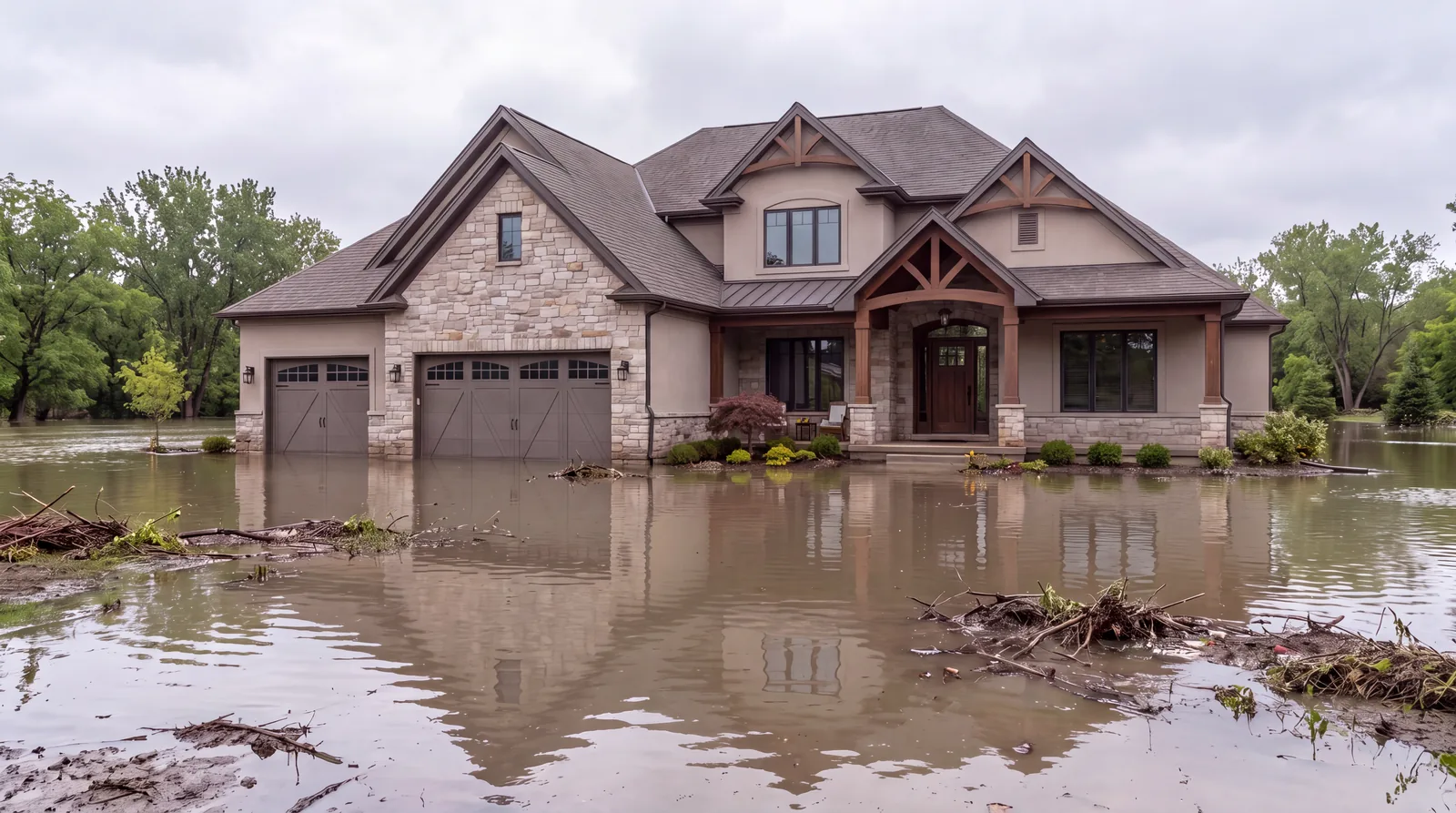
Floodwater surrounding a two-story house after heavy rain
The Quick Answer

Standard homeowners, condo and renters insurance exclude flood. Rising water, storm surge and heavy-rain flooding need a separate flood policy. We can help you get a National Flood Insurance Program (NFIP) policy. NFIP limits are $250,000 for the building and $100,000 for contents, and a new policy has a 30-day waiting period in most cases, so don't wait for a named storm. Much of Terrebonne Parish is in FEMA high-risk flood zones, where lenders require flood coverage, and homes outside those zones flood too, as Lafayette and Acadiana saw in August 2016. Ohlmeyer Insurance is a local insurance agency led by David Ohlmeyer Jr., with offices in Houma, Raceland and Lafayette. Call (985) 876-0116.

Home policy pays
$0 for flood
NFIP limits
$250k building / $100k contents
Waiting period
30 days in most cases
Free quotes
(985) 876-0116
Louisiana Flood Insurance, The Short Version

The policy too many South Louisiana homes still don't have. Yet.

Here's the part that surprises almost everyone, so we'll put it first: your homeowners policy doesn't cover flood damage. Rising water, storm surge and water from overwhelmed bayous, canals and drainage are excluded from standard home, condo and renters policies. It doesn't matter how long you've had the policy. Flood coverage is its own policy, usually written through the federal National Flood Insurance Program (NFIP).

The second thing to know is how flooding shows up here. Sometimes it's a hurricane pushing Gulf water inland. Sometimes it's days of rain with nowhere to go, like the August 2016 flood that swamped Lafayette and much of Acadiana, far from the coast. Lenders only require flood insurance in high-risk zones, but the zone that triggers the mandate and the water that reaches your house don't always line up.

The third thing is timing. A new NFIP policy has a 30-day waiting period in most cases. By the time a named storm shows up in the forecast, it's usually too late to buy coverage for that storm.

That's where we come in. We can help you get a National Flood Insurance Program (NFIP) policy. We'll look up your flood zone, size the building and contents limits to your actual house, and show you how the flood policy fits next to your home and auto coverage. Call (985) 876-0116.
What a flood policy covers. And what it doesn't.

A flood policy is simpler than a homeowners policy. There are two main coverages plus a code-upgrade benefit. Its limits, definitions and gaps are where claims go sideways, so here's the map.

Building
Up to $250k NFIP

Building Property

The structure itself: foundation, walls, electrical and plumbing, the A/C unit and water heater, built-in appliances and attached fixtures. The NFIP caps this at $250,000. If your home would cost more to rebuild, we'll talk through the gap with you.

Contents
Up to $100k NFIP

Personal Property

Furniture, clothing, electronics and the rest of what you own, on its own limit and deductible. The catch: the NFIP pays contents at actual cash value, meaning depreciated worth, not replacement price. Keep that in mind when you choose the limit.

ICC
Code upgrades

Increased Cost of Compliance

If a flood leaves your home substantially damaged, local rules can require you to rebuild to current floodplain standards, such as elevating the house. Increased Cost of Compliance coverage helps pay toward those costs. Most people don't know they have it.

Definition
Read this one

What Counts as a Flood

The NFIP definition: surface water covering two or more acres of normally dry land, or two or more properties, at least one of them yours. Rising water from a bayou, a canal or overwhelmed street drainage qualifies. A pipe bursting inside the house does not. That claim belongs to your home policy.

Deductibles
Two of them

Building & Contents Deductibles

A flood policy has separate deductibles for building and contents, chosen when you buy. Raising them lowers the premium. Just pick numbers your savings can actually cover the week after a storm, when your home policy's hurricane deductible may be due too.

Storm surge
Wind vs. water

Hurricanes & Storm Surge

When a hurricane pushes Gulf water inland, that damage is flood. Wind tearing off the roof is a homeowners claim, subject to your named-storm deductible. After a storm like Ida or Francine, you may need both policies.

Limited
Under the house

Below a Raised Home

Coverage for enclosed space and belongings below the lowest elevated floor of a raised home is limited. Equipment like a water heater or A/C unit may be covered there; finished rooms and stored belongings generally aren't. Ask us before you build out the space underneath.

Not covered
Living costs

Temporary Housing (NFIP)

The NFIP doesn't pay for rent or hotels while your home is unlivable. Plan for it with emergency savings. Homeowners loss-of-use coverage generally doesn't respond to a flood either.

Not covered
Vehicles

Cars & Trucks

A flooded vehicle isn't a flood-policy claim. It's covered by the comprehensive coverage on your auto policy, if you carry it. Roads in low spots can flood fast in a heavy storm, so think twice before dropping comprehensive.

Not covered
Outside

Land, Pools & Landscaping

Flood insurance rebuilds the house, not the yard. Land, fences, pools, decks, docks and landscaping are generally excluded. Plan for those separately.

Do you actually know your flood zone?

Most homeowners are guessing. We'll look up your zone and walk you through what an NFIP flood policy would look like for your address.

Coverage Basics

The four decisions that shape your flood policy.

Flood insurance looks simple until you read the policy. These are the choices that decide what a claim actually pays.

1. An NFIP policy, through your local insurance agent

The National Flood Insurance Program is the federal flood program: standardized coverage with set limits, sold through insurance agents. David Ohlmeyer Jr. and his team can help you get a National Flood Insurance Program (NFIP) policy.

Flood rarely happens in isolation. The same storm that fills a canal can damage a roof, flood a truck and knock out the power for a week. Keeping your home, auto and flood coverage with one local agency means one team that knows the whole plan, and one number to call: (985) 876-0116.

2. The building limit, and the cap above it

Your building limit should track what it costs to rebuild the house, the same logic as your homeowners dwelling limit. The NFIP stops at $250,000. If your home would cost more to rebuild, we'll be straight with you about the gap and what it means for your savings plan.

3. Contents, the coverage people skip

Building and contents are separate choices, and skipping contents to save money is a common regret. Watch the settlement basis: the NFIP pays contents at depreciated actual cash value, not replacement cost. After two feet of water in a house full of furniture and appliances, that difference adds up.

Renters and condo owners aren't exempt. A landlord's or association's flood policy covers the building, never your belongings. A contents-only flood policy exists for exactly this.

4. Your rate, your elevation and continuous coverage

FEMA prices each NFIP policy property by property, based on things like elevation, distance to flooding sources, foundation type and rebuild cost. An elevation certificate is optional, but on a raised home it can be worth a look.

Annual increases on an existing NFIP policy are capped, so a policy that's been in force for years may sit below today's full-risk price. That policy can often be assumed by a buyer at closing, so "can I take over the seller's flood policy?" is a smart question when you buy a home.

Already have a flood policy? Send it over.

Building limit, contents, deductibles and whether the limits still fit the house you live in today. We'll also check how your home policy handles wind. No pressure either way.

Flood Zones, Explained Plainly

Zones, bayous and what the flood map doesn't tell you.

You've seen the maps and heard the letters. Here's what they mean for your address.

How the zones work

FEMA maps sort property into zones. High-risk zones are called Special Flood Hazard Areas, or SFHAs. If your home is in one and has a federally backed mortgage, your lender will require flood insurance. Lower-risk zones are optional, which isn't the same as safe.

Much of Terrebonne Parish is in FEMA high-risk flood zones, and a lot of Lafourche sits low too, from Raceland and Lockport down to Cut Off and Golden Meadow. Zones can change from one street to the next, so we look up the map for your specific address instead of guessing by town or subdivision.

The map is not the risk

The map that triggers the lender requirement and the water that actually reaches homes are two different things. In August 2016, days of heavy rain flooded Lafayette and much of Acadiana, including plenty of homes that weren't in a high-risk zone and had no flood policy.

Federal disaster assistance isn't a plan, either. It requires a disaster declaration, much of it comes as loans that must be repaid, and grants rarely cover real repair costs. It's worth getting a flood quote before deciding to skip it.

Map changes and the 30-day clock

Your NFIP price is set property by property. Zones still control the lender requirement, but they aren't the whole price. Flood maps also change, and a revision can move a property into a high-risk zone and trigger the lender requirement.

And because a new NFIP policy waits 30 days to take effect in most cases, the time to buy is before hurricane season, not the afternoon a named storm enters the Gulf.

On the bayou, in a high-risk zone or just not sure?

Storms don't wait 30 days, and your flood coverage shouldn't either. Let us look up your zone and walk you through your NFIP options. No charge, no pressure.

Seven honest ways to manage your flood premium. Without hollowing out the policy.

With flood insurance, the biggest levers are timing and getting the rating details right, because each property is priced on its own. These may help lower what you pay.

1

Buy before hurricane season, and before any map change

A new NFIP policy generally waits 30 days to take effect, and coverage already in force when a flood map changes is generally better positioned than coverage bought after. Buying early also starts the clock on capped annual increases sooner.

2

Make sure your home is rated correctly

Details like foundation type, how high the home is raised, number of floors and where the A/C unit and water heater sit all feed the price. We confirm the building details on your policy so you're not paying for a house you don't have.

3

Ask about mitigation

Raising equipment above the flood level and adding proper flood openings to an enclosure under a raised home are the kinds of steps that can affect how a home is rated. Ask us before you start the work so you know what to document.

4

Ask about assuming the seller's policy

Buying a home that already has NFIP coverage? The policy can often be assumed at closing, which may cost less than starting fresh at today's full-risk price. Ask before you close.

5

Get an elevation certificate if the lot favors you

It's optional, and FEMA will use it if it helps your rate. On a raised home or a favorably graded lot, it can be worth the survey.

6

Choose deductibles your savings can cover

Building and contents deductibles are separate choices, and raising them trims the premium. Pick numbers you could actually pay the week after a storm, when a homeowners hurricane deductible may be due at the same time.

7

Don't let it lapse

Continuous coverage protects your capped increases. A lapse can reset you to full-risk pricing, and starting over usually means another 30-day wait. Set the flood policy on autopay.

Every flood situation is a little different. We'll help with all of them.

A raised camp on the bayou, a closing date, a rental, a condo. Each one changes how your coverage should be built.

Under contract, or hurricane season coming?

Tell us the address. We'll look up the zone, walk you through an NFIP flood policy and tell you what may lower the price. Straight answer, no obligation.

Flood insurance across South Louisiana. From Houma to Lafayette.

Flood pricing is property by property, and two streets in the same neighborhood can sit in different zones. David Ohlmeyer Jr. and his team have 25+ years in the community, serving Terrebonne and Lafourche parishes from Houma at (985) 876-0116 and Acadiana from Lafayette at (337) 232-1800.

Louisiana flood insurance questions. Straight answers.

Doesn't my homeowners insurance cover flooding?

No. Standard homeowners, condo and renters policies exclude flood: rising surface water, storm surge and overflow from bayous, canals and drainage. The exclusion applies no matter how long you've had the policy.

The dividing line is where the water came from. Wind and a pipe bursting inside the house belong to your home policy. Water rising from outside belongs to a flood policy.

Can I buy flood insurance through an insurance agent?

Yes. We can help you get a National Flood Insurance Program (NFIP) policy.

That means your flood, home and auto coverage can sit with one local agency in Houma, Raceland or Lafayette. Call (985) 876-0116 and we'll look up your zone.

Is there a waiting period for flood insurance?

Yes. A new NFIP policy has a 30-day waiting period in most cases. There are limited exceptions, such as some coverage bought in connection with a home loan.

That 30-day clock is why the time to buy is before hurricane season, not when a named storm shows up in the Gulf. Once the storm is in the forecast, it's usually too late for that storm.

How much coverage does an NFIP flood policy offer?

Up to $250,000 for the building (structure, systems, built-in appliances) and up to $100,000 for contents, each with its own deductible.

Know the two catches: contents pay at depreciated actual cash value, and the NFIP doesn't pay for temporary housing while your home is unlivable. Plan your limits and your emergency savings around both.

Am I required to buy flood insurance?

If your home is in a FEMA high-risk zone (a Special Flood Hazard Area) and has a federally backed mortgage, your lender will require it. Much of Terrebonne Parish is in those high-risk zones.

Outside those zones it's optional. That's the trap: heavy rain doesn't stay inside the lines. We'll quote it either way and let you decide with the number in front of you.

I'm not in a high-risk zone. Do I still need flood insurance?

A lower-risk zone means lower risk, not no risk. In August 2016, days of heavy rain flooded Lafayette and much of Acadiana, including homes far from any mapped high-risk area.

Every address has a flood zone. Get the quote for yours before deciding to skip coverage.

Does flood insurance cover hurricane storm surge?

Yes. When a hurricane pushes water inland, that damage is flood, and it belongs to a flood policy. Wind damage, like a roof torn off, goes to your homeowners policy, subject to its named-storm deductible.

After a storm like Ida in 2021 or Francine in 2024, many homes in Terrebonne and Lafourche needed both policies. Having both in place before the season is the plan.

How much does flood insurance cost in Louisiana?

It depends on the property. FEMA prices each NFIP policy address by address, using factors like elevation, distance to water, foundation type and rebuild cost. A raised home and a slab home on the same street can see very different prices.

Averages won't tell you much about your house. Call (985) 876-0116 and we'll give you a real number for your address.

Still have questions? Call (985) 876-0116. We'll give you a straight answer.

Find out what your flood risk really costs to cover.
Free, and in plain English.

Tell us the address. We'll look up the zone, walk you through an NFIP flood policy and help you get it in place before the 30-day clock matters.