Home / Condo Insurance

Louisiana Condo Insurance: Your HOA's hurricane deductible can become your bill.

Many condo policies carry a small default for loss assessment. A named-storm deductible on the whole building can be far bigger. Your local insurance agent in Houma, Raceland and Lafayette helps you close the gap.

HO-6Your Policy, Walls In
3Master Policy Types To Know
4.6Stars, 451 Verified Reviews
25+ YearsIn the Community
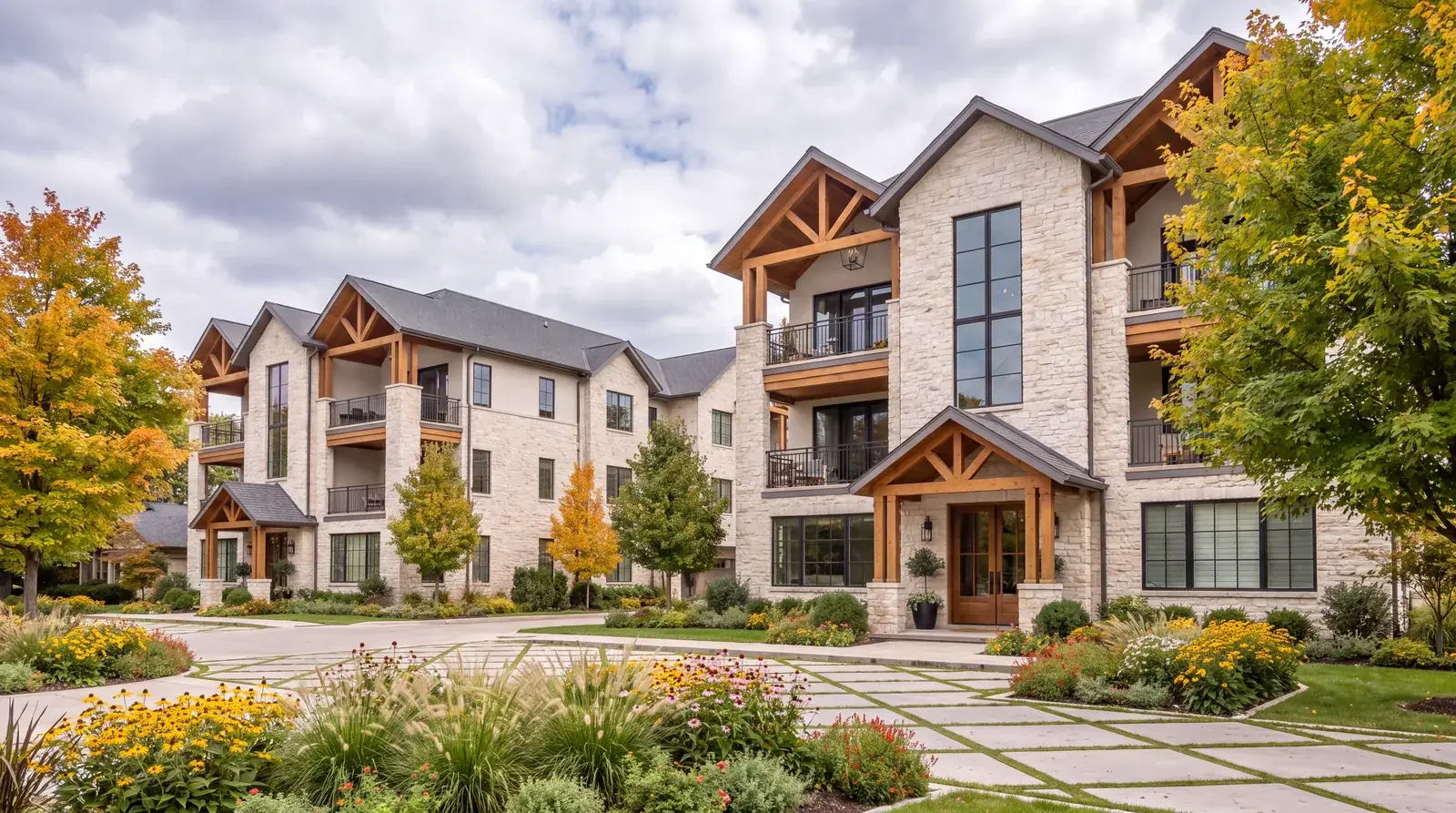
Stone and wood condo buildings with landscaped grounds
The Quick Answer

A condo policy (HO-6) covers your unit's interior from the walls in, your belongings, your liability, loss of use and loss assessment. Your association's master policy covers the building and common areas, and the boundary between the two is set by your condo declaration and bylaws, not by either policy. Master policies come in three types: bare walls-in, single entity and all-in. In South Louisiana the number to watch is the master policy's named-storm or hurricane deductible, often a percentage of the building's insured value, which the association can assess to owners after a storm like Ida (2021) or Francine (2024). Many HO-6 policies start with a low loss assessment limit, and your own policy may carry its own hurricane deductible too. Flood is excluded from every condo policy and needs a separate NFIP policy. Ohlmeyer Insurance is David Ohlmeyer Jr.'s local insurance agency, with offices in Houma and Lafayette. We read the master policy with you and build the HO-6 around it. Call (985) 876-0116.

Your policy covers
Walls in, plus assessments
Start with
The master policy declarations page
Biggest gap
Loss assessment vs. the named-storm deductible
Call first
(985) 876-0116
Louisiana Condo Insurance, The Short Version

One number on your policy is probably small. Your building's hurricane deductible probably isn't.

Condo insurance looks simple. The association insures the building, you insure your stuff, and everyone gets on with life. That story holds up until a hurricane comes ashore. In Houma, Thibodaux and across Acadiana, that means roof damage, wind-driven rain through windows and long repairs for a whole building at once.

When a loss exceeds the master policy limits, or the master policy has a large deductible that somebody has to pay, the board can levy a special assessment and split the cost among every owner. Now it's your bill, in an amount you didn't choose. Coastal master policies commonly carry a separate named-storm or hurricane deductible, figured as a percentage of the building's insured value. Run it once with round numbers: a community insured for $10 million with a 5% named-storm deductible would owe $500,000 before the master policy pays on a hurricane claim. Split among 50 units, that's about $10,000 per owner.

Your HO-6 has a coverage built for exactly this, called loss assessment. The default limit on many policies is small. Raising it often costs relatively little. One more piece of fine print to ask about: some policies limit how much of an assessment they'll pay when it comes from the master policy's deductible, no matter how much loss assessment coverage you bought. We check that wording by name.

The second thing nobody tells condo owners: your declaration and bylaws, not your policy, define where the association's responsibility ends and yours begins. Windows, shutters, balconies and interior finishes are the usual gray areas. So the right way to insure a condo is to start with the master policy declarations page and the declaration, then build your condo policy to fit the gap they leave. Bring the paperwork.

Three master policies. Yours decides what you need.

Ask your association which one your building carries. It's the most useful question a condo owner can ask, and most owners have never asked it.

Master type 1
Bare Walls

Bare Walls-In

Covers the structure and common areas and stops at your studs. Everything inside is yours: drywall, flooring, cabinets, counters, fixtures and appliances. This needs the most dwelling coverage on your HO-6.

Master type 2
As Built

Single Entity

Covers your unit as it was originally built, but not what you've done since. Your renovated kitchen and the floors you replaced are improvements, and improvements are yours. Middle of the road, and the most commonly misunderstood.

Master type 3
All-In

All-Inclusive

Covers fixtures and finishes inside the unit too, leaving you mainly your belongings, your liability and assessments. It costs the association the most and needs the least from you.

The big one
Match It

Loss Assessment

Pays your share when the association levies a special assessment after a covered loss or to meet its master deductible. The default is often small. Size it against the master policy's hurricane deductible, and ask whether deductible-driven assessments are limited.

Commonly missed
Your Reno

Improvements & Betterments

The kitchen you redid, the floors you upgraded, the built-ins. Even a generous master policy usually insures the unit as originally built. Your upgrades belong in your dwelling limit, at what they'd cost to redo today.

Core
Liability

Personal Liability

The guest who falls, and the burst supply line in your unit that soaks the condo below. In stacked buildings, water travels down and finds neighbors on the way. This is the coverage that answers for them.

Know it
Hurricane

Your Named-Storm Deductible

Your own HO-6 may carry a separate hurricane or named-storm deductible, often a percentage rather than a flat dollar amount. Read your declarations page before June, not after the storm. We'll walk through it with you.

Not covered
Common Areas

The Building Itself

Roof, exterior, hallways, stairwells, pool and parking. That's the master policy's job, funded by your dues. Your exposure there isn't the repair cost, it's the assessment that follows when the master policy falls short.

Not covered
Flood

Rising Water & Upkeep

Storm surge and rising water are excluded from every HO-6. Your unit and belongings need a separate NFIP flood policy. Maintenance isn't covered either: a worn-out roof or an underfunded reserve is upkeep, not a claim.

Do you know your loss assessment limit?

Almost nobody does, and it's often small. Send us your declarations page and your association's master policy page, and we'll find the gap before hurricane season does.

Getting It Right

How to actually insure a condo, in order.

There's a right sequence here, and it doesn't start with your own policy. It starts with two documents you may never have read.

1. Get the master policy declarations page

Ask your property manager or board. It's a routine request, and owners are usually entitled to see what the association carries.

You're looking for two things. Which type it is: bare walls-in, single entity or all-in. And the deductibles, per peril, especially any named-storm or hurricane deductible, because that's the number most likely to become an assessment with your name on it. If the master deductible is six figures, a small loss assessment limit on your policy isn't protection, it's a formality.

2. Read the declaration for the boundary

This is the step people skip and later regret. Your declaration, not either insurance policy, decides who pays for what after a loss. Windows, shutters, balconies, patios and plumbing are the usual battlegrounds, and different declarations draw the lines differently. Older buildings and amended declarations can surprise you.

3. Build the HO-6 to fill the actual gap

Now the policy makes sense. Your dwelling limit covers what the master policy doesn't, including your improvements at today's cost. Your personal property reflects what you actually own. Your liability is sized for stacked living, where your burst hose can become a neighbor's ceiling. Your loss of use reflects what a comparable place rents for nearby, since a whole building can stay closed for months after a hurricane. And your loss assessment is sized against the master policy's biggest deductible, with any limit on deductible assessments checked by name.

4. Plan for hurricane season

Hurricane Ida made landfall near Port Fourchon in 2021 and hit Houma hard. Francine came ashore in Terrebonne Parish in 2024. Laura and Delta affected Acadiana in 2020. The master policy handles the building, but wind-driven rain, a damaged roof over your unit and weeks without power can still land on your HO-6. Know your own named-storm deductible, photograph your unit and belongings before June, and keep your policy and your association's contact information somewhere you can reach if you evacuate.

5. Don't forget flood, and watch your association

No condo policy covers rising water. Much of Terrebonne Parish sits in FEMA high-risk flood zones, and Lafayette learned in August 2016 that heavy rain can flood neighborhoods far from the coast. A separate NFIP policy can cover your unit and contents, and most new NFIP policies have a 30-day waiting period. Finally, when a master policy renews with a higher deductible or narrower terms, that risk moves to the owners. If your board sends a notice about the master policy, bring it to us and we'll tell you what it did to your exposure. On interpreting the declaration or any dispute with the association, talk to an attorney. We handle the insurance side.

Did your association just change its master policy?

A higher hurricane deductible on the building moves risk onto owners. If a notice landed in your mailbox, bring it in and we'll show you what changed for you.

Every building is different. So is every policy.

A stacked unit, a townhome, the condo you rent out, the one you just put an offer on. Each one changes the answer.

Bring the master policy page. We'll do the rest.

We'll tell you which type your association carries, what it leaves you and what your condo policy should actually say. Ask about bundling it with your auto, too. Free.

Condo insurance across South Louisiana. Condos and townhomes from Houma to Lafayette.

Condo and townhome communities in Lafayette, Youngsville, Broussard and Scott, and units in Houma, Thibodaux and the rest of Terrebonne and Lafourche parishes. Every association is different. Tell us where the unit is.

Louisiana condo insurance questions. Straight answers.

What does condo insurance actually cover?

An HO-6 policy covers your world from the walls in: your unit's interior and improvements, your personal property, your personal liability, loss of use if the unit can't be lived in, and loss assessment, the piece almost everyone under-buys.

It doesn't cover the roof, exterior, hallways, pool or parking. Those belong to the association's master policy, and the line between the two is drawn by your declaration and bylaws, not by either insurance policy.

What's the difference between my HO-6 and the HOA master policy?

The master policy is bought by the association and paid for through your dues. It covers the building and common areas, and sometimes parts of the units. Your HO-6 is your own policy for what the master policy leaves to you, plus your belongings, your liability and your share of assessments.

The two are meant to fit together without gaps or overlap. The only way to know where the seam is: read the master policy declarations page and your declaration, then build the HO-6 around them.

What are the three types of HOA master policy?

Bare walls-in covers the structure but nothing inside your unit. Single entity covers the unit as originally built, but not your upgrades.

All-in covers interior fixtures and finishes too. Which one your building carries decides how much dwelling coverage you personally need. Declarations vary from community to community, so read yours.

What is loss assessment coverage, and why does it matter after a hurricane?

When a loss exceeds the master policy limits or triggers a large master deductible, the board can levy a special assessment and divide the bill among all owners. Loss assessment coverage on your HO-6 pays your share of a covered assessment.

The catch: many policies start with a low default, while a hurricane deductible on a whole building can be far larger. Raising the limit often costs relatively little, and it's one of the best values on the policy.

Who pays the master policy's named-storm deductible after a hurricane?

Often, the owners do. Coastal master policies commonly carry a separate named-storm or hurricane deductible figured as a percentage of the building's insured value. For example, on a building insured for $10 million, a 5% deductible would be $500,000, and associations can assess that to owners.

Here's the fine print that matters: some HO-6 policies limit how much of an assessment they'll pay when it comes from a master policy deductible, regardless of your overall loss assessment limit. Ask that question by name before hurricane season.

Does my condo policy have its own hurricane deductible?

It may. Policies in coastal Louisiana commonly carry a separate named-storm or hurricane deductible, often a percentage of your dwelling limit, such as 2% or 5%, rather than a flat dollar amount.

Look for it on your declarations page, or bring the page to us and we'll walk through what you'd owe after a storm like Ida or Francine.

Does condo insurance cover flooding?

No. Storm surge and rising water are excluded from every HO-6. The association may insure the building against flood with its own policy, and if the building is underinsured, the shortfall can come back to owners as an assessment.

Your unit and belongings need a separate flood policy. We can help you get a National Flood Insurance Program (NFIP) policy. Most new NFIP policies have a 30-day waiting period, so buy before a storm is in the Gulf, not during it.

Is condo insurance required in Louisiana?

Not by state law. By your lender, almost certainly, if you have a mortgage.

And often by your declaration or bylaws, which can require unit owners to carry an HO-6 with minimum limits. Even without a requirement, going without leaves your interior, belongings, liability and share of any assessment uncovered. Call (985) 876-0116 and bring your master policy page.

Still have questions? Call (985) 876-0116. We'll give you a straight answer.

Find the gap before the next storm does.
Local coverage, local service.

Bring your declarations page and your association's master policy page. We'll show you where your coverage ends, what your hurricane deductible means in dollars and what it costs to close the gap. Bundle discounts are subject to terms, conditions and availability.