Home / Home Insurance

Louisiana Home Insurance: Built for hurricane season.

Local coverage, local service. We set your dwelling limit to what it costs to rebuild, explain your named-storm deductible in plain English and help you plan flood coverage before the next storm, from offices in Houma, Raceland and Lafayette.

25+ YearsIn the Community
4.6From 451 Verified Reviews
LocalInsurance Agency
3 OfficesHouma, Raceland & Lafayette
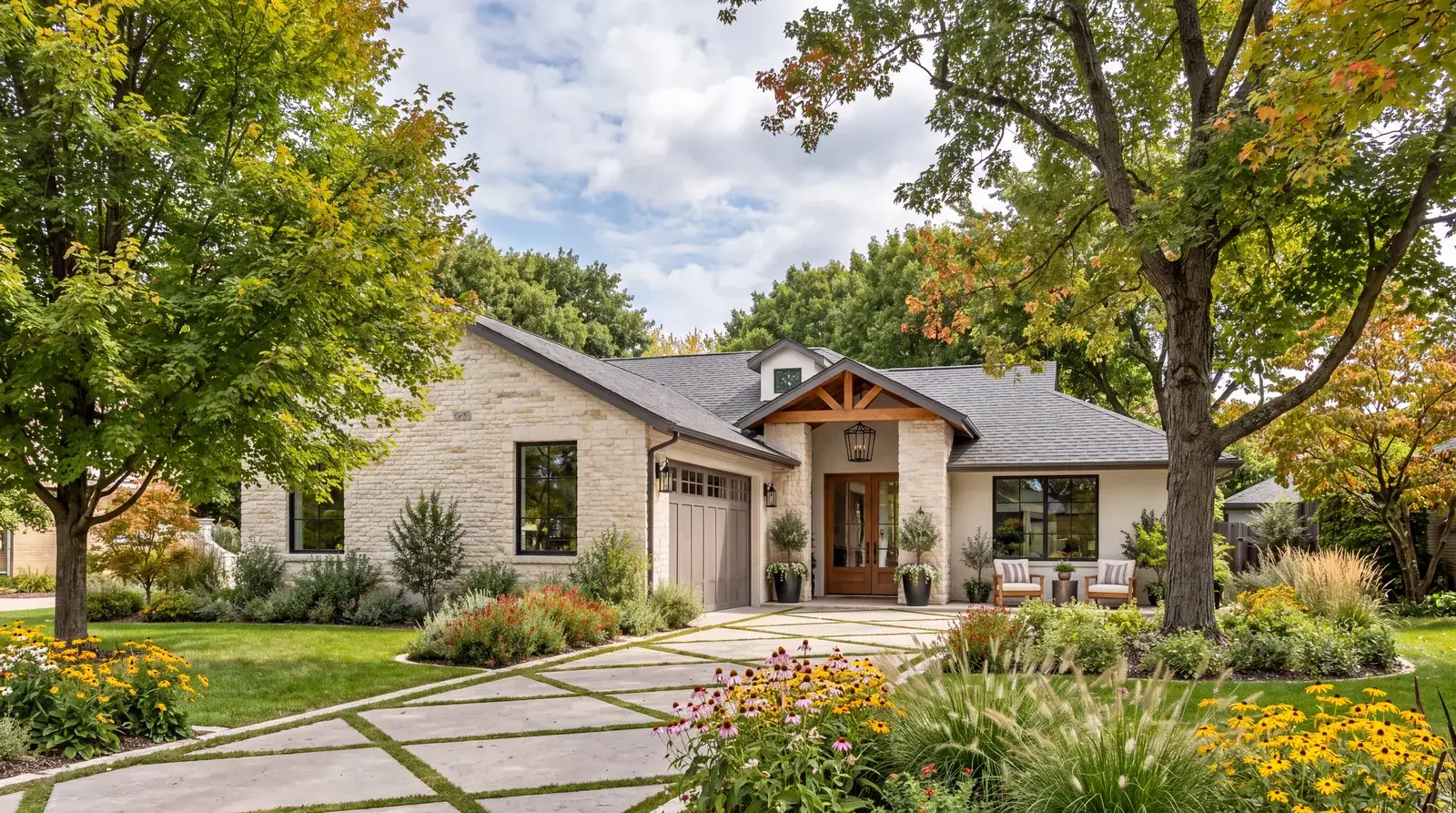
A single-story stone and stucco family home with a landscaped front walk
The Quick Answer

Louisiana doesn't require homeowners insurance by law, but your mortgage lender does. The most important number on the policy is your dwelling limit, which should equal rebuild cost, not market value. Coastal Louisiana policies commonly carry a separate named-storm or hurricane deductible, set as a percentage of the dwelling limit, so read your declarations page. Flood is excluded from homeowners policies and needs its own policy, and NFIP flood policies have a 30-day waiting period in most cases. The Louisiana Fortify Homes Program offers grants of up to $10,000 toward a FORTIFIED roof. If coverage isn't available in the voluntary market, Louisiana Citizens is the state's insurer of last resort. Ohlmeyer Insurance is a local insurance agency led by David Ohlmeyer Jr., with offices in Houma, Raceland and Lafayette. Call (985) 876-0116.

Insure to
Rebuild cost, not market value
Check first
Your named-storm deductible
Not covered
Flood (separate policy)
Free quotes
(985) 876-0116
Louisiana Home Insurance, The Short Version

A lot of homes are insured to the wrong number. Or carry a storm deductible nobody explained.

Ask a homeowner what their house is worth and you'll hear the market value. Ask what their dwelling limit should be and most give the same number. They're different figures. Your dwelling limit should equal what a builder would charge to rebuild your house today. A limit set years ago and nudged up a little each renewal can quietly fall short, and you find out at the worst possible moment.

In South Louisiana there's a second number that matters just as much: the named-storm or hurricane deductible. Coastal policies commonly carry a separate percentage deductible for named storms, and it can be many times larger than the deductible you remember. Add the flood exclusion, and you can see why the details matter. The job is getting those pieces right, then building sensible liability and deductible choices around them.

The other half of the job is understanding what you already have. Renewals can change deductibles, roof settlement terms and endorsements while looking almost identical to last year's. Most people never notice until the adjuster is in the driveway. That's what a local agent is for. David Ohlmeyer Jr. and his team are your local insurance agent, and we stay with you as your home and your needs change.

From our offices in Houma, Raceland and Lafayette, we'll help you work out what your home realistically costs to rebuild, how hurricanes, named-storm deductibles and roofs are handled on your policy, what flood coverage looks like alongside it and what bundling with auto may do to the price. If you own a condo rather than a house, that's a different policy with different traps. Ballpark it first with the home rate estimator, then call us for the real number. Homeowners coverage is subject to underwriting and availability.

What a homeowners policy covers. And the three things to watch.

A standard HO-3 policy is six coverages, labeled A through F. Knowing which does what is how you avoid surprises at claim time.

Coverage A
Rebuild Cost

Dwelling

The structure itself: walls, roof, foundation, built-in appliances. Everything else keys off this number, and it's the one most often set wrong. It should equal what a builder would charge to rebuild today, not the market price of the house.

Coverage B
Outbuildings

Other Structures

Detached garage, fence, shed, carport, the workshop out back. The limit is usually tied to your dwelling limit, which is fine until you build something bigger. A large shop or barn on a few acres can outgrow the default.

Coverage C
Belongings

Personal Property

Everything you'd take with you if you moved. Jewelry, firearms, art and collections usually carry sub-limits, so anything meaningful should be scheduled separately for full coverage.

Coverage D
Displaced

Loss of Use

Pays rent, a hotel and extra living costs while the house can't be lived in after a covered loss. After a hurricane, when contractors are booked out and rentals fill up across the parish, this limit deserves a real look.

Coverage E
Lawsuits

Personal Liability

Covers you when someone is hurt on your property or you damage someone else's, including legal defense. It follows you off the property too. This is where an umbrella policy earns its keep for anyone with real assets.

Coverage F
Guests

Medical Payments

Pays a guest's minor medical bills regardless of fault, no lawsuit required. Small limits, small cost, and it quietly settles the kind of incident that could otherwise turn into a liability claim.

Read your dec page
Named Storm

Hurricane Deductible

Coastal Louisiana policies commonly carry a separate named-storm or hurricane deductible, set as a percentage of your dwelling limit, for example 2% or 5%. It applies instead of your regular deductible when a named storm does the damage. Know your number before the season starts.

Not covered
Flood

Flood

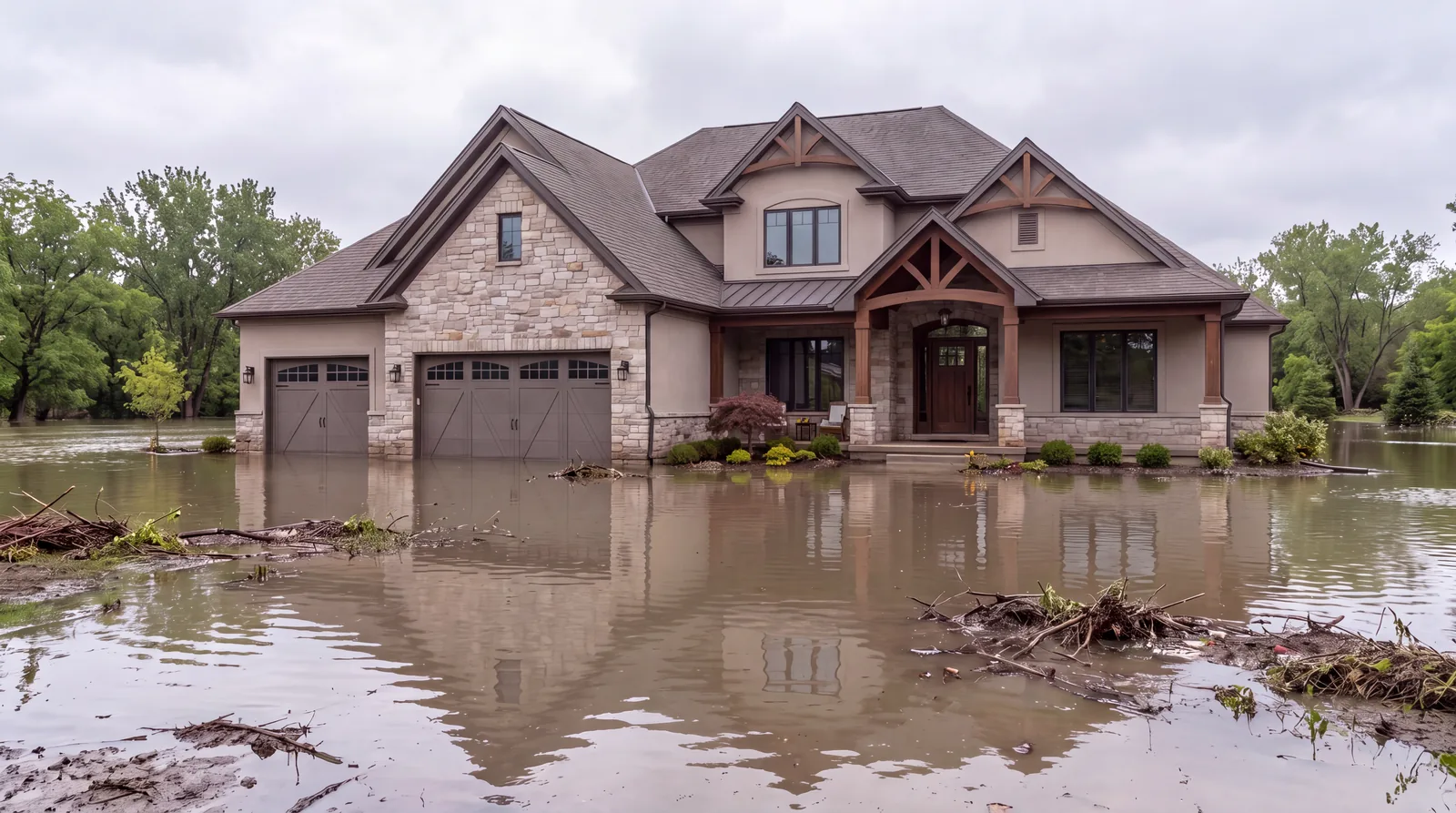
Rising water and storm surge need a separate flood policy. Wind tearing off shingles is a homeowners claim; water coming in from outside is not. Much of Terrebonne Parish sits in high-risk flood zones, and homes outside them flood too.

Not covered
Upkeep

Wear, Tear & Neglect

Insurance covers sudden and accidental damage, not gradual. A roof at the end of its life, slow leaks, rot, termites and deferred maintenance are yours. Roof age and condition also weigh heavily on how homes are priced and renewed.

Is your dwelling limit still the right number?

It's the most common gap we find, and the easiest to fix before you need it. We'll recalculate rebuild cost with you and walk through your options.

Coverage Basics

The four decisions that actually shape your policy.

Past the six coverages, a handful of choices decide whether your policy holds up. These are the ones worth understanding.

1. Rebuild cost, and the cushion above it

Rebuild cost is what a contractor would charge today to put your house back: labor, materials, permits, debris removal and the extra cost of building one house instead of a subdivision. It has nothing to do with your purchase price or your mortgage balance.

Even a well-set limit can fall short after a hurricane, when thousands of homes need roofers and contractors at once and prices climb. That's what extended replacement cost is for, where available. It adds a cushion above your dwelling limit for exactly this situation. Pair it with building code upgrade coverage, which helps pay the difference when current code requires more than your house was built to. On an older home in Houma or Lafayette, code upgrades alone can add up.

2. Replacement cost, actual cash value and stated value

Replacement cost pays to replace what you lost with new equivalents. Actual cash value pays the depreciated value. For belongings, the upgrade to replacement cost is inexpensive and worth it for nearly everyone.

Watch your roof in particular. Some policies settle roof claims at actual cash value, or reduce roof payments based on age. Under actual cash value, an older roof pays out like an older roof, minus depreciation and your deductible, while the new one is billed at today's prices. Louisiana's 2025 reforms also require insurers to offer a stated-value homeowners policy, which is worth asking about if you want a fixed number on the dwelling. We'll explain how each option would pay on your home.

3. Your deductibles, including the hurricane one

The all-perils deductible is your main pricing lever for everyday claims. The right one is the largest number you could write a check for tomorrow without wincing.

The named-storm or hurricane deductible is separate, and it's usually a percentage of your dwelling limit. Round numbers make it concrete: for example, 2% of a $250,000 dwelling limit is $5,000, and 5% is $12,500. Your declarations page shows which one you have. Know it before hurricane season, and keep that amount in mind when you plan your emergency savings.

4. Liability, and why the umbrella is usually the best value on the page

Your homeowners liability limit protects your assets when someone is hurt on your property or you're found responsible for damage elsewhere. The default limit may not match what you'd stand to lose.

A personal umbrella policy adds a layer on top of both your home and auto liability, and for most households it costs less than people expect. If you own a home, you have assets worth defending.

Send us your declarations page. We'll read it with you.

Dwelling limit, roof settlement, your named-storm deductible and liability. We'll flag what's exposed and what's fine, and show you what we can do about it. No pressure either way.

Louisiana Weather, Honestly

Hurricanes, roofs and the water you can't insure on a home policy.

Ida, Francine, Laura and Delta taught South Louisiana what a policy really pays. Here's how each piece usually shows up on a homeowners policy, without the scare tactics.

Hurricanes and the named-storm deductible

Hurricane Ida made landfall near Port Fourchon on Aug. 29, 2021 and hit Houma hard. Hurricane Francine came ashore in Terrebonne Parish in September 2024. In Acadiana, Hurricanes Laura and Delta both left their mark in 2020. On a homeowners policy, wind damage from a hurricane is typically covered, subject to your deductible, and for a named storm that's usually the separate percentage deductible.

Read your declarations page for the exact figure. A lower hurricane deductible costs more in premium; a higher one costs less and asks more of your savings. There's no wrong answer, only an unexamined one.

Your roof: age, settlement and FORTIFIED

Roof age affects both what you pay and what coverage is available, and the settlement terms matter as much as the premium. With replacement cost roof coverage, a covered claim pays to put on a new roof, minus your deductible. With actual cash value settlement, the payout is reduced for the roof's age and wear.

Replacing the roof anyway? Look at the Louisiana Fortify Homes Program, run by the Louisiana Department of Insurance. It offers grants of up to $10,000 to upgrade a roof to the IBHS FORTIFIED Roof standard. Rounds open by lottery, and you must be accepted before work begins, so don't sign a roofing contract first. Details are at ldi.la.gov/fortifyhomes. A FORTIFIED roof also earns required discounts on the hurricane portion of your premium. New state benchmarks for those discounts take effect by Jan. 1, 2027, and amounts vary by insurer and region. The 2025 reforms added a state income tax credit for installing a fortified roof, too.

What changed for homeowners in 2025

Louisiana's 2025 property reforms gave homeowners a few new protections worth knowing: insurers must give 60 days' notice before cancelling a residential policy, insurers must offer a stated-value homeowners policy, and the state added an income tax credit for fortified roofs. Ask us how any of these apply to your home.

Flood, raised homes and camps

Flooding is separate from wind, and it's excluded from homeowners policies entirely. Storm surge and rising water need a flood policy, and NFIP policies have a 30-day waiting period in most cases, so don't wait for a named storm in the Gulf. Raised homes and camps on the bayou still need a plan for flood, and the area under a raised home is treated differently on a flood policy, so ask before you finish that space.

If you've been non-renewed or can't find coverage

Call us the day the letter arrives. Louisiana's 2025 reforms require 60 days' notice before a residential policy is cancelled, which gives you time to plan. Homeowners coverage is subject to underwriting and availability, and we'll tell you plainly what we can offer for your address.

If coverage isn't available in the voluntary market, Louisiana Citizens is the state's insurer of last resort. It runs a FAIR Plan and a Coastal Plan. For consumer questions, the Louisiana Department of Insurance consumer line is 1-800-259-5300.

Hurricane season coming, or already been hit?

Before the next storm, let us check your hurricane deductible, your roof settlement terms, your dwelling limit and your flood coverage. No charge and no pitch.

Seven honest ways to lower your premium. Without hollowing out the policy.

The biggest levers are usually bundling with auto and the roof. The rest stack on top. Discounts vary and are subject to terms, conditions and availability.

1

Bundle home with auto

Placing home and auto together may earn a multi-policy discount and lower what you pay on both. It also puts your whole plan with one local agency that can see the full picture. Start with an auto quote and we'll price the pair.

2

Strengthen the roof, and get credit for it

A FORTIFIED roof earns required discounts on the hurricane portion of your premium, with amounts that vary by insurer and region. The Louisiana Fortify Homes Program offers grants of up to $10,000 toward one, if you're accepted before work begins. Bring us the certificate and we'll make sure it's on the policy.

3

Choose deductibles your savings can actually cover

A higher deductible can trim the premium. The right one is the biggest number you could write a check for tomorrow without losing sleep. The same logic applies to your percentage hurricane deductible, which is the one that matters most after a storm.

4

Stop insuring the land

If your dwelling limit was set from market value, part of it may be paying for coverage that can never pay out, since nobody rebuilds dirt. Recalculating to true rebuild cost sometimes lowers the premium. Sometimes it raises it, because the limit was short. Either way you find out now instead of at a claim.

5

Think hard before filing a small claim

For example, a $3,000 claim on a $2,000 deductible nets you $1,000 and can follow the property for years, in both your rate and your options. Small losses are often cheaper to pay out of pocket, and we'll tell you honestly when that's the case.

6

Stack the everyday discounts

Ask which of these may apply: protective devices, a claim-free history, the early signing discount and the responsible payer discount. Each is small, but they can add up, and they're exactly the kind of thing that falls off a policy without anyone noticing.

7

Review it every year, because your home changes

Rebuild costs move, roofs age and families add rooms, cars and teenage drivers. Once a year we sit down with you for a coverage and discount review, home, auto and everything else in one place. What doesn't work: shaving the dwelling limit to hit a target premium. That's not a saving, it's a deferred loss.

Every South Louisiana home is a little different. We work through them all.

A raised home on the bayou, an older house in town, a new roof, a home you rent out. Each one changes how the policy should be built.

Under contract, or renewing soon?

Tell us the address and we'll tell you what's available, what it costs and what could make it cheaper. Straight answer, no obligation.

Homeowners insurance across South Louisiana. From Houma to Lafayette.

Home insurance is priced address by address. Distance to the coast, the age of the roof and whether the house is raised can change the answer. We serve Terrebonne and Lafourche parishes from our Houma office at (985) 876-0116 and Acadiana from our Lafayette office at (337) 232-1800, Monday to Friday, 8:00 AM to 5:00 PM Central.

Louisiana home insurance questions. Straight answers.

Is homeowners insurance required in Louisiana?

Louisiana doesn't require homeowners insurance by law. Your mortgage lender does, and they will want it in writing, with the lender named on the policy.

If coverage lapses, the lender can buy force-placed insurance and bill you for it. That coverage is usually more expensive and protects the lender's interest, not yours. If you own your home free and clear, going without is your call, but in hurricane country it's a big bet against your largest asset.

What does homeowners insurance cover?

A standard HO-3 policy covers the dwelling (the structure, insured to rebuild cost), other structures (fence, detached garage, shed), personal property (your belongings), loss of use (somewhere to live during repairs), personal liability (if someone is hurt or you damage someone else's property) and medical payments to guests.

Covered perils generally include fire, smoke, theft, wind, hail and falling trees, subject to your deductibles. The big exclusions are flood and storm surge, and anything that counts as maintenance or wear.

What is a named-storm or hurricane deductible?

Coastal Louisiana policies commonly carry a separate deductible for named storms or hurricanes, set as a percentage of your dwelling limit instead of a flat dollar amount. For example, 2% of a $250,000 dwelling limit is $5,000, and 5% is $12,500.

It applies instead of your regular deductible when a named storm causes the damage. Read your declarations page for your exact figure, and know it before hurricane season.

Does homeowners insurance cover flood?

No. Rising water and storm surge are excluded from standard homeowners policies. Flood coverage is a separate policy, and we can help you set up an NFIP flood policy alongside your home policy.

NFIP policies have a 30-day waiting period in most cases, so buy before a storm is in the Gulf. Much of Terrebonne Parish is in FEMA high-risk flood zones, where lenders require it, and homes outside those zones flood too. See our flood insurance page for details.

What is the Louisiana Fortify Homes Program?

It's a Louisiana Department of Insurance program that offers grants of up to $10,000 to upgrade a roof to the IBHS FORTIFIED Roof standard. Rounds open by lottery, and you must be accepted before work begins. Details are at ldi.la.gov/fortifyhomes.

A FORTIFIED roof also earns required discounts on the hurricane portion of your premium. New state benchmarks take effect by Jan. 1, 2027, and amounts vary by insurer and region. The 2025 reforms added a state income tax credit for installing a fortified roof.

What changed for Louisiana homeowners in 2025?

Louisiana's 2025 property reforms require insurers to give 60 days' notice before cancelling a residential policy, require insurers to offer a stated-value homeowners policy, and create a state income tax credit for installing a fortified roof.

None of these change what your current policy says, so read your renewal carefully. We're happy to walk through it with you.

My insurer non-renewed me or I can't find coverage. What now?

Call us the day the letter arrives. Homeowners coverage is subject to underwriting and availability, and we'll tell you plainly what we can offer for your address.

If coverage isn't available in the voluntary market, Louisiana Citizens is the state's insurer of last resort, with a FAIR Plan and a Coastal Plan. For questions about your rights, the Louisiana Department of Insurance consumer line is 1-800-259-5300.

How can I lower my home insurance premium?

The reliable levers are bundling home with auto for a multi-policy discount, a FORTIFIED roof, protective devices, a claim-free history, the early signing discount and the responsible payer discount. Discounts vary and are subject to terms, conditions and availability.

Then review it with us once a year. What to avoid is under-insuring the dwelling to chase a lower premium. If the limit won't rebuild the house, the savings were never real.

Still have questions? Call (985) 876-0116. We'll give you a straight answer.

Find out what your home really costs to insure.
Free, local and in plain English.

Tell us the address and what's in it. We'll get the rebuild number right, explain your hurricane deductible and help you plan flood coverage alongside it. Local coverage, local service.